Your Benefits Broker Should Save You More Than They Cost.
Most employers overpay for benefits — not because they’re careless, but because they don’t have an expert in their corner at renewal time. JS Benefits Group delivers measurable, documented savings through smarter plan design, aggressive carrier negotiation, and compliance that prevents costly mistakes.

The Numbers Are Staggering.
Healthcare costs are projected to rise 7–8% in 2026, yet 67% of employers renew without ever shopping the market — because carriers count on that inertia. We don’t let that happen. From level-funded plan design to ACA compliance, our clients typically save 15–30% in year one — and every service is included at no additional cost.

Real Employers. Real Savings.
A Pennsylvania manufacturer with 145 employees saved $187,000 in year one. A New Jersey firm avoided $94,500 in IRS penalties. A Delaware healthcare organization reduced premiums by 22% — while employees actually preferred the new plan.

Find Out What You’re Leaving on the Table.
A free benefits analysis takes less than an hour and shows you exactly what your current plan is costing you — and what a smarter strategy would save. No pressure. No obligation. Just numbers.

Submit the form on the left or click here for more information.

Your Benefits Broker Should Save You More Than They Cost.
Most employers overpay for benefits — not because they’re careless, but because they don’t have an expert in their corner at renewal time. JS Benefits Group delivers measurable, documented savings through smarter plan design, aggressive carrier negotiation, and compliance that prevents costly mistakes.

The Numbers Are Staggering.
Healthcare costs are projected to rise 7–8% in 2026, yet 67% of employers renew without ever shopping the market — because carriers count on that inertia. We don’t let that happen. From level-funded plan design to ACA compliance, our clients typically save 15–30% in year one — and every service is included at no additional cost.

Real Employers. Real Savings.
A Pennsylvania manufacturer with 145 employees saved $187,000 in year one. A New Jersey firm avoided $94,500 in IRS penalties. A Delaware healthcare organization reduced premiums by 22% — while employees actually preferred the new plan.

Find Out What You’re Leaving on the Table.
A free benefits analysis takes less than an hour and shows you exactly what your current plan is costing you — and what a smarter strategy would save. No pressure. No obligation. Just numbers.

Submit the form on the left or click here for more information.

1 02, 2018

Identity Theft Protection

By |2018-01-17T06:51:36-05:00February 1st, 2018|Categories: Voluntary Benefits|

Companies all over the world have a huge bulls eye painted behind their backs, serving as honeypots for hackers and other cyber criminals. While internet security has somehow managed to keep up with brute force attacks because of their solid defense mechanisms, the general lack of knowledge displayed by employees opens numerous loopholes through which a company becomes open to successful data breach attacks. […]

5 01, 2018

Desired employee benefits versus redundant benefits
By |2018-01-04T16:39:31-05:00January 5th, 2018|Categories: Voluntary Benefits|

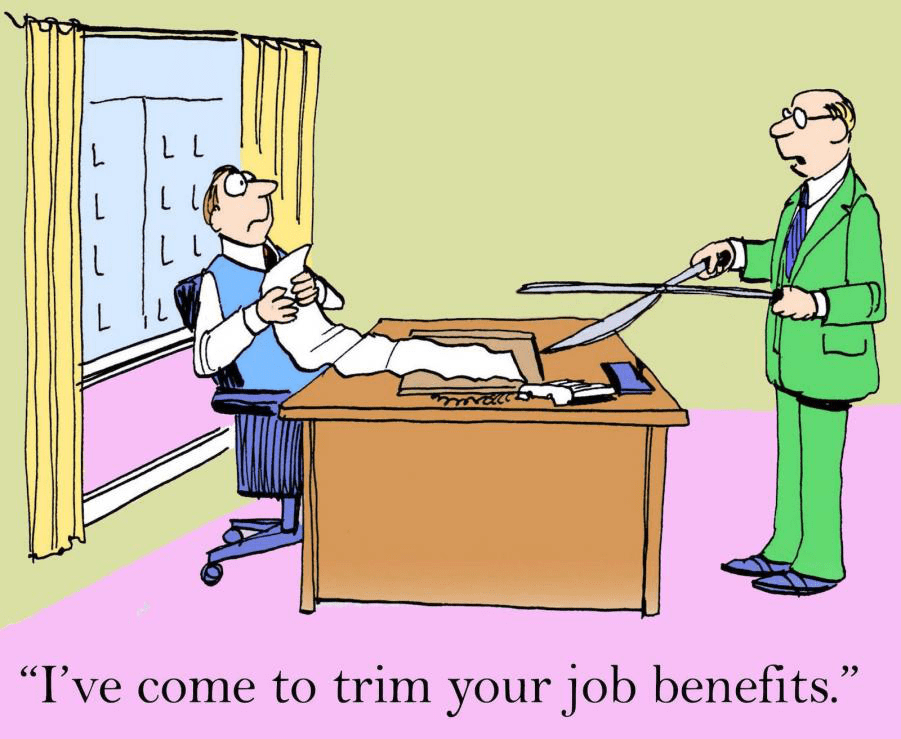
Employees value their benefits almost as much as their salaries. There are a host of employee benefits offered by businesses and they’re not all equally valued. Once businesses are able to gauge the kinds of benefits most valued by their employees, it would definitely help with them with designing a suitable benefits package.

The most important dilemma concerning many businesses is how to recruit and retain their workforce, since employee turnover is a real plague which has affected many businesses and […]

28 12, 2017

Helping employees get along

By |2018-01-04T16:39:33-05:00December 28th, 2017|Categories: Voluntary Benefits|

Who says that everyone has to get along at the office? You don’t. But not getting along should not necessarily transcend into workplace chaos, the likes of which can result in widespread conflict and office disagreements resonating throughout all levels of the organization.

Small disputes, (and sometimes even full scale brawls) can lead to a toxic environment which end up in decreased productivity, inefficient allocation of time, reduction in employee motivation and eventually may serve to increase employee turnover. All of […]

27 12, 2017

Ethics and the role of HR

By |2018-01-04T16:39:33-05:00December 27th, 2017|Categories: Voluntary Benefits|

It is the job of the HR department to understand human behaviors and emotions in the office. It is their job to deal with the ethical conundrum which usually tends to run wild in the workplace. The importance of ethics is never lost on a business regardless of its size. It doesn’t matter if the company is a small sole proprietorship or a giant multinational conglomerate – they can all make the headlines for the wrong reasons.

Legal hiccups

A disgruntled employee […]

27 10, 2017

Why Offer Voluntary Benefits? | JS Benefits Group

By |2026-05-01T03:49:50-04:00October 27th, 2017|Categories: Voluntary Benefits|

Why Should You Offer Voluntary Benefits?

Optional benefit options help employers strengthen their benefits package without forcing every employee into the same coverage. They give employees more choice, help fill gaps in traditional plans, and can make a company’s overall benefits program more useful and competitive.

For many employers, voluntary benefits are a practical way to support recruiting, retention, and employee satisfaction while still managing costs.

What Are Voluntary Benefits?

These are optional coverages offered through the employer. Employees can choose the benefits that fit their needs, and in many cases, the premiums are paid through payroll deductions.

These benefits are designed to supplement core benefits such as medical, dental, vision, and group life insurance. They do not usually replace traditional benefits. Instead, they give employees added protection based on their personal situation, family needs, and financial priorities.

Common options may include life insurance, disability insurance, accident insurance, critical illness coverage, hospital indemnity coverage, long-term care coverage, legal plans, identity theft protection, and pet insurance.

Employee Wellness Programs

Why Voluntary Benefits Matter

Employees do not all need the same benefits. A single employee, a parent with children, an employee nearing retirement, and a worker managing out-of-pocket medical costs may all value different types of coverage.

These optional coverages allow employers to offer more flexibility without building a one-size-fits-all package. This can make the benefits program feel more personal and more relevant to the people using it.

They can also help employees prepare for unexpected expenses. If an employee has an accident, receives a serious diagnosis, needs hospital care, or loses income due to a disability, supplemental coverage may help reduce financial stress.

How Voluntary Benefits Help Employers

Supplemental benefit options can improve the employee experience without requiring the employer to pay for every added coverage option. That makes them especially useful for businesses that want to enhance their benefits package while keeping costs under control.

A well-designed program can help employers strengthen recruiting and retention, support employees at different life stages, and improve the perceived value of the benefits package. It can also help fill gaps in existing medical, life, or disability coverage without overloading the core benefits budget.

When employees understand and value their benefits, they are more likely to view the company as a place that supports their long-term well-being.

What Employers Should Consider Before Adding Voluntary Benefits

The best program is not built by adding as many options as possible. Too many choices can confuse employees and make enrollment harder.

Employers should first look at their workforce, current benefits, employee needs, budget, payroll process, and enrollment experience. The right options should solve real gaps, not simply add more products to the package.

Clear communication is also important. Employees need to understand what each benefit covers, what it costs, and when it may be useful. Without that guidance, even strong benefits can be overlooked.

How JS Benefits Group Can Help

JS Benefits Group helps employers design employee benefits programs that are practical, competitive, and easier to manage. Our team reviews your current benefits, evaluates workforce needs, compares carrier options, and helps identify the right coverage options for your business.

We also support the enrollment and communication process so employees can better understand their options. That includes helping employers reduce administrative burden, clarify plan choices, and make the enrollment experience easier for employees and HR teams.

For businesses in Pennsylvania, New Jersey, Delaware, Maryland, New York, and surrounding areas, these added benefit options can be a smart way to improve employee choice, support retention, and strengthen your overall benefits strategy.

Build a Benefits Package That Fits Your Workforce

Benefits are most effective when they reflect the needs of the people they serve. Voluntary benefits give employees more flexibility while giving employers a practical way to expand their offering.

If your current benefits package feels limited or difficult to improve within budget, JS Benefits Group can help. Contact us today to discuss how voluntary benefits can fit into your employee benefits strategy.

FAQ

Are voluntary benefits paid by the employer or employee?

Voluntary benefits are often paid by employees through payroll deductions. Some employers may choose to contribute, but many voluntary benefit options are employee-paid.

Do voluntary benefits replace health insurance?

No. Voluntary benefits usually supplement core benefits such as medical, dental, vision, and group life insurance. They provide added protection and more choice.

What are common examples of voluntary benefits?

Common examples include life insurance, disability insurance, accident insurance, critical illness coverage, hospital indemnity coverage, long-term care coverage, legal plans, identity theft protection, and pet insurance.

Can small businesses offer voluntary benefits?

Yes. Small and mid-sized businesses can often offer voluntary benefits, although available options may depend on group size, carrier requirements, and plan design.

16 10, 2017

Why Should Employers Consider Voluntary Benefits?

By |2018-01-04T16:39:57-05:00October 16th, 2017|Categories: Voluntary Benefits|

Inarguably, the success driver of any organization is its workforce. And this is exactly why employers today are striving harder than ever to formulate better rewarding strategies and appealing healthcare benefit plans to ensure employee retention and satisfaction. Retaining skilled staff is not only important to add to the  bottom-line but also to cut down the high recruitment and training cost that can eat a huge chunk of your profits.

According to a […]

19 04, 2017

Wellness Programs For Employers

By |2026-04-24T07:33:24-04:00April 19th, 2017|Categories: Voluntary Benefits|

In the last seven years, the trend of corporate wellness programs has grown massively, for all the right reasons. If you still haven’t invested in, and introduced corporate wellness programs in your company, then now is the best time to jump on this bandwagon before it’s too late.

According to the ‘Employee Benefits 2015’ report released by the SHRM (Society for Human Resource Management), 70 percent of the US employers offered general wellness programs which was up from 58 percent in […]

14 06, 2016

Why Offer Voluntary Benefits as Part of Your Core Benefit Offering in 2026?

By |2026-04-03T08:12:06-04:00June 14th, 2016|Categories: Voluntary Benefits|


Voluntary Benefits for Employers: A Smart Strategy to Enhance Employee Benefits in 2026

Employers are continually looking for ways to enhance their employee benefits package without significantly increasing costs. One solution that has become increasingly popular is offering voluntary benefits. Voluntary benefits allow employers to expand their benefits offering with little or no direct cost, while helping employees gain access to important insurance protection that complements their group health insurance plan.

As healthcare costs, deductibles, […]