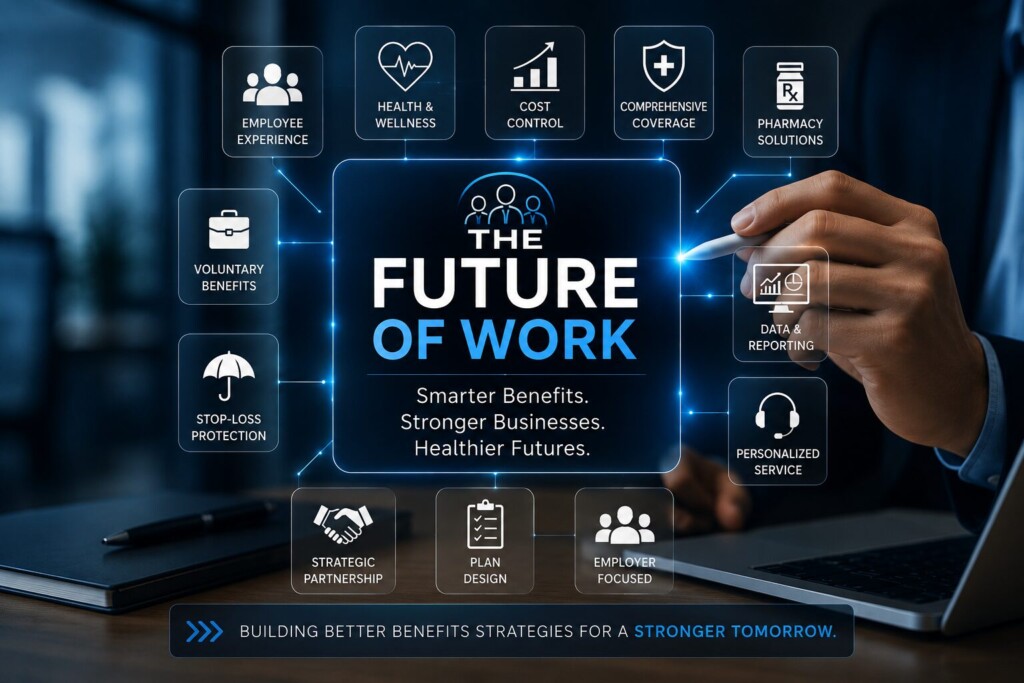

The Future of Work and Level Funded Health Plans
By Jennifer Schaefer, MBA, ChFC, SHRM-SCP
Founder & CEO, JS Benefits Group
Over the past few years, I’ve noticed a significant shift in conversations with business owners and HR leaders.
The discussion is no longer just about offering employee benefits. It’s about offering benefits that employees truly value while keeping healthcare costs under control.
Healthcare continues to be one of the largest expenses employers face. At the same time, employees are paying closer attention to the quality and affordability of their benefits than ever before. This creates a challenge for employers trying to attract and retain talent while managing their bottom line.
As a result, many organizations are exploring alternatives to the traditional fully insured health insurance model. One option that continues to gain attention is the Level Funded Health Plan.
The question I hear most often is simple:
“Is a Level Funded Health Plan right for my business?”
Why Employers Are Looking for New Solutions
For years, employers have experienced annual renewal increases with little visibility into what is actually driving those costs.
Many business owners tell me they feel trapped in a cycle of rising premiums without a clear understanding of where their healthcare dollars are going.
Meanwhile, the workforce has changed.
Employees want competitive benefits. They want affordable healthcare options. They want employers who are invested in their well-being.
Benefits are no longer just a box to check during open enrollment. They have become a critical component of recruitment, retention, and employee satisfaction.
The future of work requires employers to think more strategically about healthcare spending.

What Is a Level Funded Health Plan?
A Level Funded Health Plan combines elements of traditional fully insured coverage and self-funded healthcare.
Employers make a predictable monthly payment that generally includes:
- Expected claims costs
- Administrative expenses
- Stop-loss insurance protection
One of the biggest differences is that when claims are lower than expected, employers may have the opportunity to receive a refund or surplus at the end of the plan year.
That possibility alone causes many employers to take a closer look.
Unlike traditional plans, where unused premium dollars stay with the insurance carrier, level funded plans can create opportunities for employers to benefit from positive claims experience.
To learn more about how these plans work, visit:
https://jsbenefitsgroup.com/level-funded-health-plans/
One of the Biggest Misconceptions About Level Funding
One misconception I encounter regularly is that Level Funded Health Plans are only appropriate for large organizations.
In reality, many small and mid-sized businesses may be excellent candidates.
What matters most is understanding your employee population, healthcare utilization, risk tolerance, and long-term business goals.
I’ve found that many employers are surprised by the amount of transparency and flexibility that may be available compared to a traditional fully insured plan.
The key is evaluating all available options rather than automatically accepting another annual renewal increase.
Why Level Funding Fits the Future of Work
The future workplace is becoming more data-driven.
Organizations are looking for ways to gain better insights into every aspect of their operations, including employee benefits.
Level funded plans can offer advantages such as:
- Greater transparency
- Improved reporting
- Potential year-end savings
- Predictable monthly budgeting
- Enhanced cost management
- Greater flexibility in benefits strategy
For employers looking to create a sustainable long-term approach to healthcare spending, these features can be particularly attractive.
Is It Right for Every Employer?
The answer is no.
Like any benefits strategy, level funding is not a one-size-fits-all solution.
Some organizations may be strong candidates. Others may find that a traditional fully insured arrangement remains the better choice.
That’s why it’s important to evaluate your current plan, understand your claims experience, and explore all available options before making a decision.
In my experience, the employers who achieve the best long-term outcomes are the ones who proactively review their strategy rather than simply reacting to annual rate increases.
Learn More
I recently recorded a video that walks through many of the questions employers ask when evaluating level funded plans.
Watch: Is A Level Funded Health Plan Right For Your Business?
https://youtu.be/iB9lcgZ-a3U?si=Wq5POSRvmgr83-1t
If you’re exploring alternatives to traditional health insurance, the video provides a practical overview of what level funding is, how it works, and what factors employers should consider.
Final Thoughts
The future of work isn’t just about technology, artificial intelligence, or flexible work arrangements.
It’s also about helping employers provide valuable benefits while maintaining financial sustainability.
Healthcare costs will likely remain one of the largest expenses organizations face. Employers who take a strategic approach to benefits planning will be better positioned to attract talent, improve retention, and create stronger outcomes for both their employees and their business.
Level Funded Health Plans may not be right for every organization, but they are certainly worth exploring as part of a broader employee benefits strategy.
Ready to Explore Your Options?
If you’d like to discuss whether a Level Funded Health Plan could be a fit for your organization, request a complimentary consultation:
https://jsbenefitsgroup.com/request-consultation-form-group-health-benefits/
Or learn more about JS Benefits Group: