
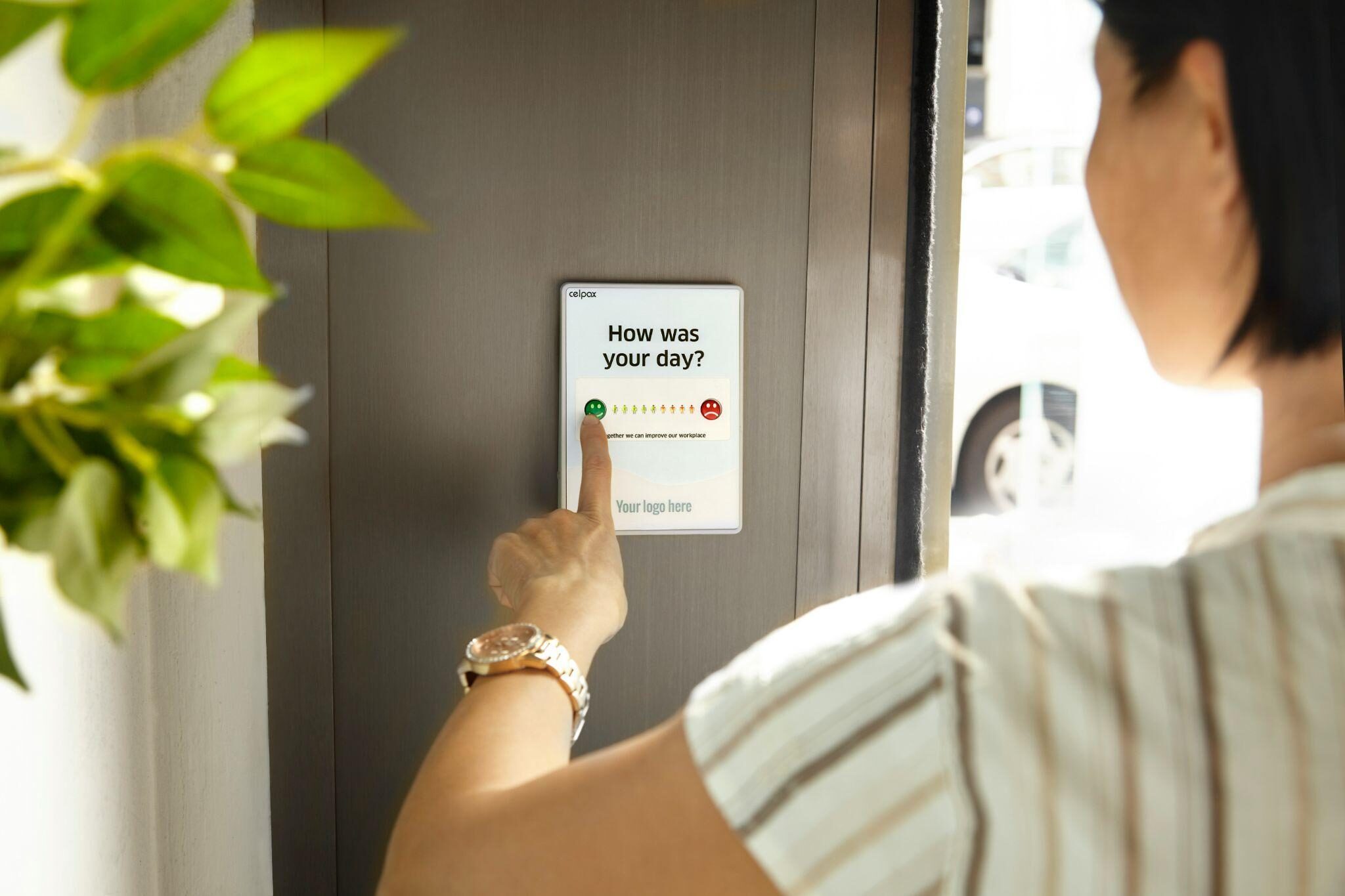
Feedback is more than a suggestion box or annual review; it’s the heart of a strong workplace culture. Employees who feel heard are more likely to feel valued, committed, and engaged. Companies that actively seek and respond to feedback build trust and show employees their voices matter. In a time where engagement drives performance, listening is one of HR’s most powerful tools. It not only helps identify blind spots and opportunities but also creates a sense of ownership and inclusion that fuels long-term loyalty, innovation, and team success across all levels of the organization.
1. Feedback Creates a Culture of Trust and Openness
Asking for feedback shows employees that their opinions matter. But truly engaging organizations go beyond asking; they listen, act, and follow up. This builds trust. When people feel safe sharing their thoughts, they’re more honest, which leads to better problem-solving and innovation.
Regular feedback loops, like pulse surveys, suggestion platforms, or one-on-one check-ins, help leaders stay connected to what matters most to their people. And the more transparent leadership is about how feedback is used, the stronger the relationship becomes.
2. Actionable Feedback Drives Performance
Engaged employees want to grow, and feedback helps them achieve that goal. Clear, consistent feedback helps people understand what’s working, what’s not, and where to improve. It also gives managers insight into how they can better support their teams.
Did you know? Employees who receive regular feedback are nearly four times more likely to be engaged at work. Feedback empowers employees to take ownership of their performance and builds a sense of purpose, key drivers of engagement and productivity.
3. Feedback Fuels Inclusion and Retention
Employees want to feel included and involved in shaping their workplace. When feedback is welcomed from all levels, not just top performers, it builds a sense of inclusion. People feel like they’re part of something bigger. Organizations that consistently act on employee input are committed to creating a better environment. That kind of responsiveness improves retention because employees are more likely to stay where they feel seen, heard, and appreciated.
Conclusion
Employee feedback is more than a tool; it’s a conversation. When done right, it strengthens trust, supports growth, and increases engagement across the board. The companies that win in today’s workplace are those that listen often, act consistently, and communicate clearly. To build a more engaged, motivated team, create space for honest feedback, and show your people that what they say truly matters.
Regularly closing the feedback loop by sharing outcomes and taking visible action reinforces credibility. Over time, this builds a culture where continuous improvement thrives, and employees feel genuinely connected to the organization’s mission and success.

