
Absenteeism refers to employees being absent from work without a valid cause or prior discussion with their managers. Of course, it may not feel like a big deal initially, as emergencies happen, people can get sick or have some other commitments. However, if an employee starts staying absent from the workplace frequently and more than usual, it can cause concern.
As a manager, you may face difficulty managing the workload or deadlines of an employee who frequently stays absent from work. But the cost of replacing employees can be high, especially during the Great Resignation.
However, you can try the following methods to reduce absenteeism in your team:
Allow Flexible Work Hours
The employee showing frequent absenteeism may have greater domestic responsibilities. They may be a single parent of a dependent child or a carer for the elderly. In such a scenario, allowing the employee a flexible schedule and working from home can greatly improve their situation.
It can allow the employee to fulfill their work responsibilities without coming to work or coming in to work only when necessary. As a manager, your primary concern should be completing work and not your team members’ attendance, and allowing them flexible work hours makes this clear.
Provide a Positive Workplace Environment
Managers and employers can sometimes be unaware of how an employee is treated by their team members. They may also be unaware of how the workplace environment can be stressful to certain employees.
In such cases, it is the responsibility of employers and managers to build and maintain a positive and healthy work environment. Employees shouldn’t feel stressed at the workplace for any reason.
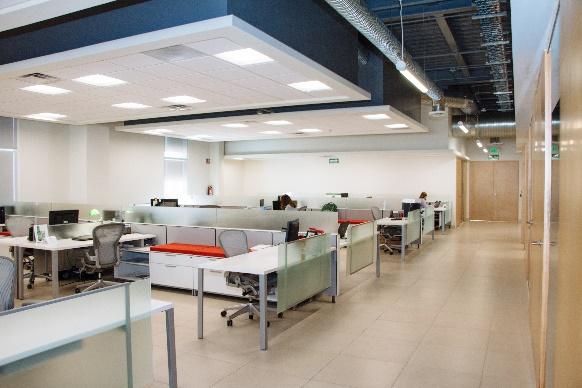
They should be provided a workplace with access to clean drinking water, hygienic bathroom facilities, comfortable seating, and an overall positive environment. There should be no bullying or harassment at the workplace either.
An unhealthy work environment can especially put off employees struggling with domestic or health issues. However, providing them with a comfortable and positive environment can ease their struggle, reduce absenteeism, and encourage them to show up to work.
Provide Regular Feedback and Reward Hard Work
Employees who don’t receive feedback from their managers can begin to believe that their work goes unnoticed. This belief can lead to frequent absenteeism as they may feel that their presence or absence doesn’t make a difference.
Managers can reduce absenteeism in their team members by providing regular feedback. Reward your employees when performing well on a project to increase their motivation. Moreover, providing constructive feedback when things go wrong can also help reduce absenteeism at the workplace.
Employees would feel obliged to execute their next project correctly, which can increase their motivation to be present at the workplace and enhance the quality of their work.
Final Verdict: Talk it out
Finally, don’t forget to have a conversation with the employee to find out their cause of frequent absenteeism. Finding out your employee’s specific cause can enable you to provide adequate support and reduce absenteeism.
If the cause of frequent absenteeism of an employee turns out to be a stressful period in their domestic lives, consider granting them paid time off to deal with their issue. Forcing employees to work cannot achieve good results. The employee will happily return to the office once their personal life is back on track.

