
Jennifer Schaefer Accepted into Forbes Business Council

Founder & CEO of JS Benefits Group Joins Invitation-Only Community for Business Leaders I am honored to announce my acceptance into Forbes Business Council, an invitation-only organization for successful business owners and executives. Throughout my career, I have been passionate about helping employers improve business performance through strategic employee benefits, workforce engagement, healthcare cost management, […]
Self-Insured Health Plans: How They Work and When They Make Sense

Healthcare costs are rising, so many businesses are seeking better ways to manage them. With traditional insurance, you pay fixed premiums and have limited control, which makes it difficult to track where your money goes. That’s why more companies are looking into self-insured health plans. These plans give you more control and flexibility, but they […]
The 3 Compliance Mistakes That Cost Employers the Most

One missed compliance notice cost a New Jersey employer more than $94,500. Employee benefits compliance isn’t just a paperwork exercise. For employers, mistakes involving ACA reporting, ERISA documentation, and COBRA notices can lead to significant penalties, audits, and unnecessary legal exposure. In this video, Kathryn Reed, SHRM-CP, Senior Director of HR at JS Benefits Group, […]
Jennifer Schaefer Featured in Urban Splatter: Five Employee Benefits Mistakes Growing Companies Make

Jennifer Schaefer, Founder & CEO JS Benefits Group Jennifer Schaefer, MBA, ChFC, SHRM-SCP, Founder & CEO of JS Benefits Group, was recently featured in Urban Splatter discussing five common employee benefits mistakes growing companies make. As healthcare costs continue to rise and competition for talent intensifies, employers face increasing pressure to offer benefits that attract and […]
How CFOs Can Take Control of Employee Benefit Costs Without Cutting Value

Employee benefit costs are rising, and many CFOs find them harder to manage. Budgets go up each year, often without a clear reason. This uncertainty makes planning tough and adds pressure to cut costs. However, cutting benefits is not a good solution. It can lower employee satisfaction and make retention more difficult. Instead, focus on […]
Understanding Level-Funded Health Plans for Pennsylvania Employers

If you’ve looked at your company’s health insurance costs recently, you’ve probably noticed one thing: they keep going up. And each year, it feels like you’re paying more without really understanding why. For many Pennsylvania employers, this becomes frustrating. You want to offer good benefits, but you also need to manage costs. The problem is […]
Are Self-Funded Health Plans Available for Small Businesses in Newtown?

Quick Answer: Yes, self-funded health plans can be available for small businesses in Newtown, PA, but they are not right for every employer. These plans let employers pay employee health claims directly instead of paying a fixed premium to an insurance carrier. Many small businesses start by exploring level-funded plans because they offer some self-funded […]
Why Employee Benefits Are a Business Strategy, Not Just HR

Employee benefits are not just an HR expense. They can influence hiring, retention, productivity, employee trust, and long-term business performance. For years, many employers viewed benefits as an administrative task or a yearly renewal process focused mainly on controlling costs. Today, they play a much bigger role in how organizations care for their teams and […]
The Future of Work and Level Funded Health Plans
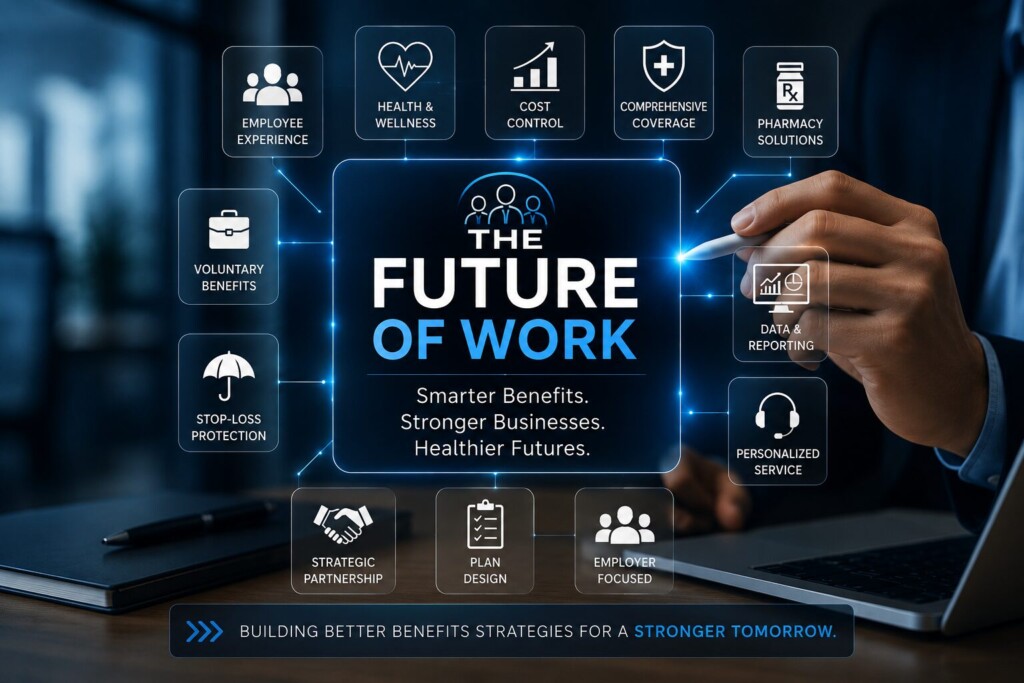
The Future of Work and Level Funded Health Plans By Jennifer Schaefer, MBA, ChFC, SHRM-SCP Founder & CEO, JS Benefits Group The Future of Work with Level Funded Health Plans Over the past few years, I’ve noticed a significant shift in conversations with business owners and HR leaders. The discussion is no longer just about offering employee benefits. […]
Healthcare Captives Explained: A Strategic Advantage for HR Directors and CFOs

Healthcare costs keep rising each year, putting pressure on many businesses. Companies end up paying more for insurance and have less control over these increasing expenses. Healthcare captives offer a different approach. Instead of relying solely on traditional insurance, they let companies take greater control over how their health plans operate. What Are Healthcare Captives? […]
