
5 Ways to Maintain Transparency in HR Department

Transparency in workplace is a new trend, but its applications are not limited to helping an organization appear trendy and progressive. Instead, when implemented correctly, workplace transparency can help an organization progress by improving the workplace culture and contributing towards the organization’s growth. With HR being the central department of bringing change, here are five ways that can […]
5 Ways Breakroom Conversations Increase Employee Motivation

A breakroom, as the name suggests, is a dedicated space where employees can eat a quick snack, drink a cup of coffee, and relax in the meanwhile. There is usually a television screen in the breakroom where employees can catch up on the day’s important news. While snacks, beverages, and television can help employees relax […]
What Can HR Do About Gender Pay Gap?

Despite females making up a greater percentage of college graduates, they earn much less than their male peers. Click here to discover how businesses and their HR departments can contribute towards bridging the gender pay gap.
How HR Can Support a Unionized Workplace
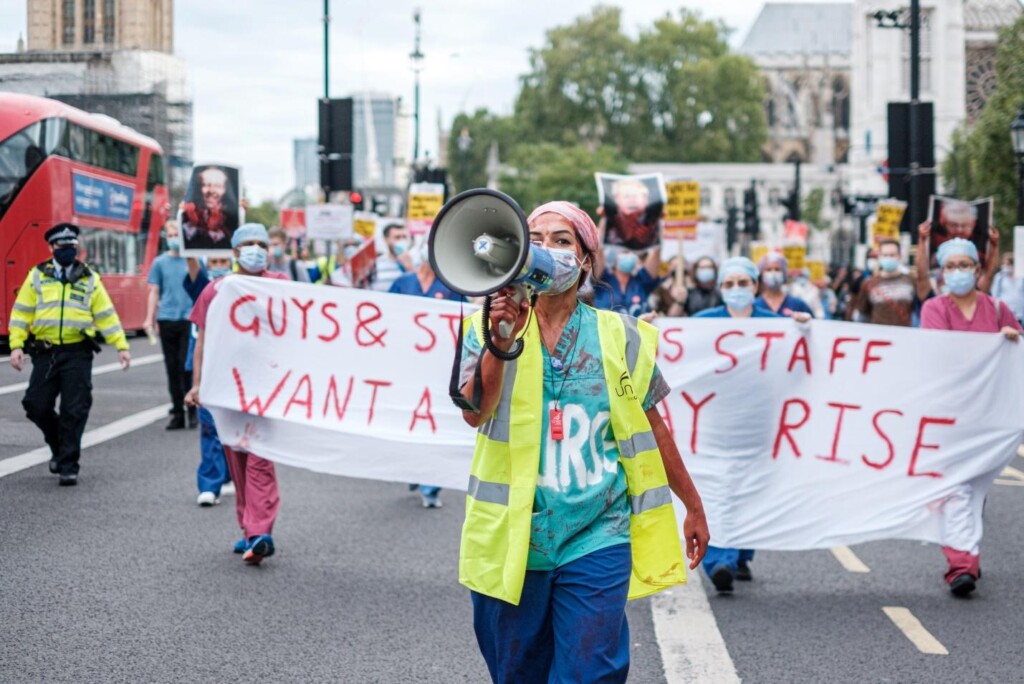
As an HR personnel, you may never consider labor unions your enemy, but that’s a mistake. Click here to discover why and how HR must support labor unions.
3 Reasons Funny Employee Awards Work

Funny employee awards can significantly improve everyone’s mood at work. Here are three reasons to throw funny employee awards ceremony and some advice to make it successful.
Importance of Inclusivity in HR Departments

Workplace inclusivity can only be achieved through inclusivity in the HR department. Click here to discover how a diverse HR team helps promote company-wide diversity and inclusivity.
How to Create a Holistic Employee Wellness Program in 5 Steps

Create a holistic employee wellness program to keep your employees healthy, happy, and motivated. Click here to discover the five easy steps of creating an employee wellness program your employees will actually benefit from!
Employee Experience – What Is It Really Worth?

“Clients do not come first; employees come first.” Richard Branson The famous saying by the contemporary world’s most famous entrepreneur emphasizes the importance for a business to provide a satisfactory employee experience, i.e., keep its employees happy throughout their journey with the company. Let’s take a look into what is a positive employee experience really worth […]
5 Simple Ways to Improve Employees’ Lives

With almost every business operating on less than requires human resources and a lack of potential candidates for the available vacancies, it has become vital for businesses to focus on retaining their remaining employees. While it may sound challenging, retaining employees is a simple and easy task that can be accomplished by improving employees’ lives. […]
The Effects of Rebranding on Employees

Rebranding is usually planned with customers in mind. Companies focus on the new name, logo, message, website, and market response. Employees feel the change first. They are the people who have to understand the new direction, talk about it with confidence, and keep doing their jobs while the company’s identity shifts around them. If the […]
