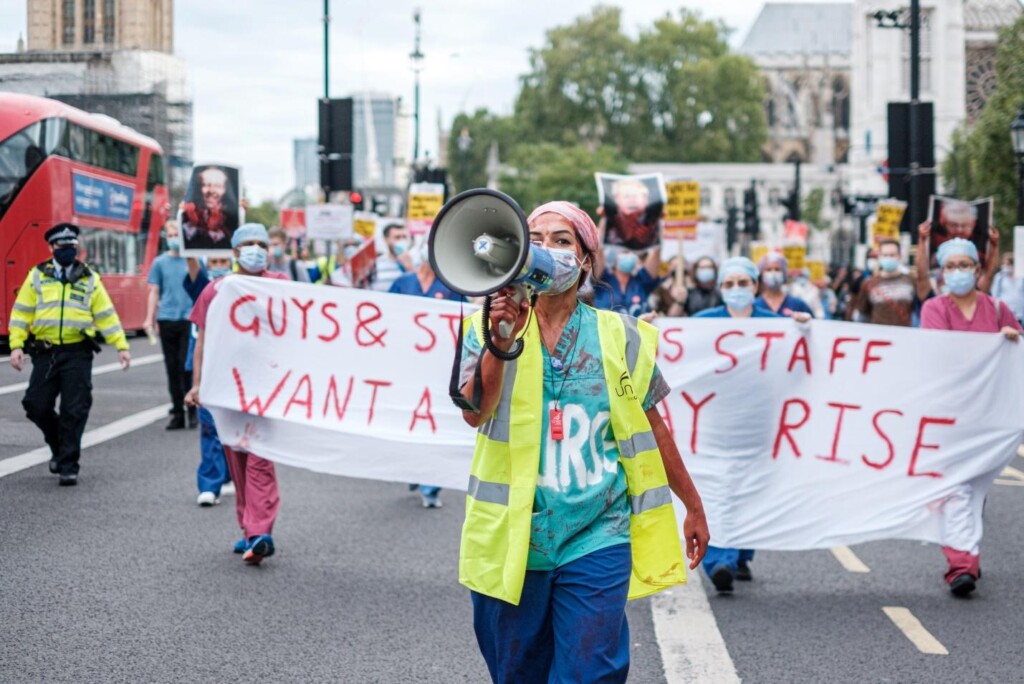

A unionized workplace requires HR to manage employee relations with care, consistency, and a clear understanding of labor responsibilities. When employees are represented by a union, HR helps managers follow workplace agreements, communicate professionally, and respond to employee concerns through the right process.
The goal is not for HR to take sides. The goal is to help the organization respect employee rights, follow the collective bargaining agreement, and build a more stable working relationship between employees, union representatives, managers, and leadership.
Under the National Labor Relations Act, employees have the right to act together to improve wages, hours, and working conditions. Employers also have a duty to bargain in good faith with employees’ chosen union representative. HR teams should work with qualified labor counsel when handling complex union matters because this article provides general HR guidance, not legal advice.
Why HR Matters in a Union Setting
HR often serves as the connection point between employees and management. In a union setting, that role becomes more important because many workplace decisions may involve contract terms, grievance procedures, seniority rules, bargaining obligations, or formal communication with union representatives.
A strong HR team helps reduce confusion by making sure policies are applied consistently and managers understand the collective bargaining agreement. This protects the organization from avoidable disputes while giving employees a fair and predictable process for raising concerns.
-
Understand Labor Laws and Employee Rights
HR professionals should understand the basic laws and workplace rules that apply to union activity. This includes employee rights, protected concerted activity, union representation, collective bargaining, and the company’s responsibilities when communicating with unionized employees.
This matters because many labor issues start with simple mistakes. A supervisor may make a comment that sounds threatening, discipline an employee inconsistently, or change a schedule without checking the contract first.
HR can help prevent these problems by training managers, reviewing policies, and making sure union-related concerns are handled carefully instead of reactively. HR should also avoid retaliation, coercive questioning, inconsistent discipline, or bypassing required union processes.
-
Follow the Collective Bargaining Agreement
The collective bargaining agreement is one of the most important documents in a union environment. It may cover wages, benefits, seniority, overtime, scheduling, discipline, grievances, safety procedures, and job classifications.
HR should help managers understand what the agreement requires before making decisions that affect employees. If a manager wants to issue discipline, change a schedule, deny overtime, or respond to a grievance, HR should review the contract and confirm the correct process.
Following the agreement helps both sides. Employees know what to expect, managers have a clear process to follow, and union representatives have a reliable basis for discussion when questions come up.
-
Document Grievances and Workplace Decisions
Good documentation is essential in a union setting. HR should keep clear records of grievances, meetings, disciplinary actions, investigations, attendance issues, contract interpretations, and agreed next steps.
Strong documentation should answer the basic questions: what happened, who was involved, which policy or contract section applies, what was discussed, and what follow-up is needed.
For example, if an employee files a scheduling grievance, HR should document the schedule change, the contract language reviewed, the manager’s explanation, the employee’s concern, and the final response. This is not about building a case against employees. It is about creating a reliable record so workplace issues can be handled fairly, consistently, and professionally.
-
Train Managers on Union Communication
Managers need practical guidance before they handle union-related conversations. A casual comment can create problems if it sounds like retaliation, intimidation, favoritism, or interference with employee rights.
HR should train managers to keep conversations focused on performance, safety, attendance, policy, and work expectations. Union activity should not be treated as a negative factor in discipline, scheduling, promotions, performance reviews, or everyday workplace conversations.
For example, if an employee asks for union representation during a disciplinary conversation, the manager should pause and involve HR instead of continuing the meeting without guidance. This helps protect the employee’s rights and keeps the company’s response consistent.
-
Treat Employees Consistently and Respectfully
Employees should not be treated differently because they are union members, support union activity, or participate in protected workplace discussions. HR should make sure workplace rules are applied consistently across departments, shifts, supervisors, and job classifications.
Consistency does not mean every situation has the same outcome. It means the company can explain each decision based on facts, policy, contract language, and past practice.
Respect also matters. HR does not have to agree with every request, but employees and union representatives should receive timely responses, clear explanations, and a fair process.
-
Address Workplace Issues Before They Escalate
A union gives employees a formal process for raising concerns, but HR should not wait for every issue to become a grievance. Repeated complaints about staffing, pay, safety, scheduling, workload, training, or unfair treatment should be taken seriously.
Recurring concerns may point to a deeper problem. Frequent scheduling grievances may show that supervisors need clearer guidance. Repeated safety concerns may reveal a training or equipment issue.
By identifying patterns early, HR can help leadership fix problems before they turn into larger disputes. This supports employees and helps the business operate more smoothly.
Practical Checklist for HR
HR teams can support better labor relations by staying consistent with a few important practices.
Review the collective bargaining agreement before major workplace decisions.
Train managers on employee rights, union communication, and documentation.
Document grievances, meetings, discipline, and follow-up steps clearly.
Apply workplace rules consistently across employees and departments.
Respond to union representatives professionally and on time.
Avoid retaliation, threats, coercive questioning, or inconsistent discipline.
Watch for repeated employee concerns that may point to larger workplace issues.
Involve labor counsel when a situation is complex or legally sensitive.
Frequently Asked Questions About a Unionized Workplace
What is a unionized workplace?
A unionized workplace is a work environment where employees are represented by a labor union. The union may help negotiate wages, benefits, working conditions, and workplace procedures through a collective bargaining agreement.
What is HR’s role in a union setting?
HR helps managers understand employee rights, follow the collective bargaining agreement, and handle workplace concerns through the proper process. HR also supports consistent documentation, fair treatment, and professional communication with union representatives.
Can HR communicate directly with unionized employees?
HR can still communicate with employees about normal workplace matters, such as attendance, benefits, training, or performance expectations. For grievances, contract issues, or bargaining-related topics, HR should follow the proper process and involve union representatives when required.
Why is documentation important in a union environment?
Documentation creates a clear record of grievances, meetings, disciplinary actions, policy decisions, and follow-up steps. This makes it easier to resolve issues fairly and avoid confusion about what was discussed or agreed upon.
How can HR reduce conflict with a labor union?
HR can reduce conflict by applying policies consistently, training managers, responding to concerns on time, and addressing repeated workplace issues before they grow. A professional, organized approach helps build trust and keeps labor relations focused on solving problems.
Final Thoughts
A unionized workplace requires HR to balance compliance, employee relations, and business needs. The strongest HR teams understand employee rights, follow the collective bargaining agreement, document decisions, train managers, and treat employees consistently.
HR does not need to approach unions with fear or hostility. A stronger approach is to stay professional, communicate clearly, follow the proper process, and address workplace concerns before they become larger conflicts.
When HR handles labor relations this way, employees get a fair process, managers make better decisions, and leadership builds a more stable workplace.