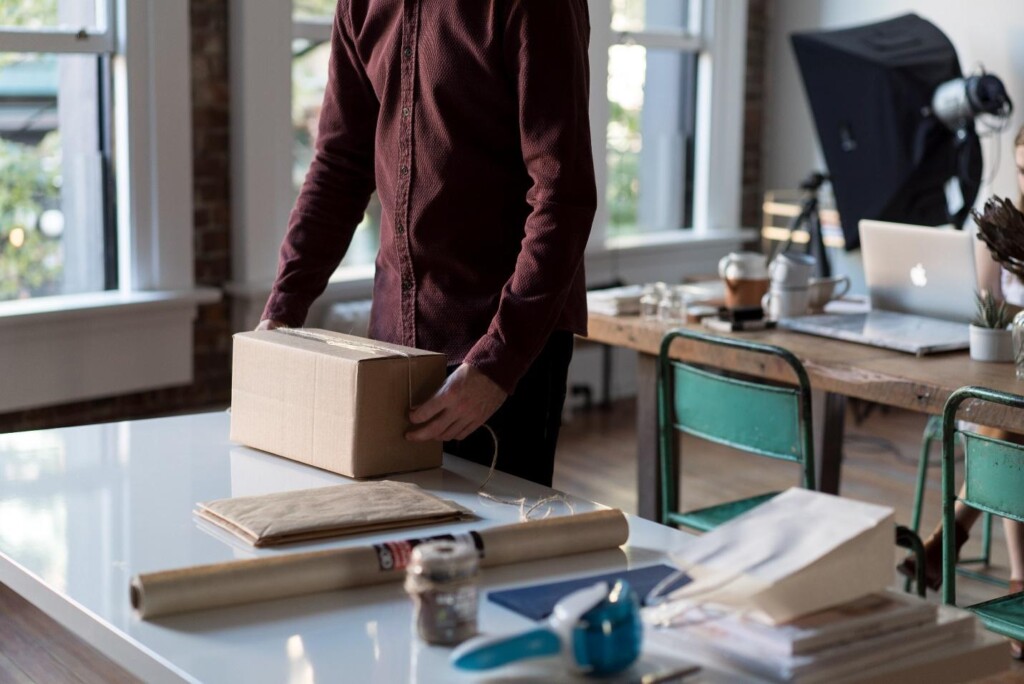

Few and far before the coronavirus pandemic, small businesses popped up everywhere during the lockdown. The big numbers in which small businesses appeared worldwide created their entire industry. Like any industry, the small business industry also sees its evolution and trends.
The latest trend in this industry is that of taking a break. With the breaks lasting up to three months, it raises two questions:
- Is the act of taking a break from business actually a necessity or trend?
- Should big businesses follow suit?
Let’s find out:
Businesses Taking a Break – Trend or Necessity
Small business owners are taking a break from their businesses. With most small business owners managing everything related to their business, from production to dispatch of orders and from social media management or research and development, it is understandable that they can feel tired and overwhelmed sometimes.
However, small business owners enjoy greater work-life balance than individuals with jobs. They can set their work hours, design their workspace as they like, and even work as much or as little as they want. They are not required to call in sick when they are not feeling well, nor must they follow a particular order of doing things. The breaks taken by small businesses are also much longer than a regular employee can ever imagine.
So, the answer to whether taking extended breaks as a business is simply one of the business trends or a necessity relies on who is taking this break and for what reason. When discussing the option of not working, one must always remember that very few people in this world can afford to not work for a couple or more than a couple months. Unemployment lasting more than two months can result in homelessness and starvation for a greater percentage of the population.
Therefore, small business owners who can afford to close their businesses have enough capital or savings for the rainy day. As much as it is understandable that small business owners can get overwhelmed, those working nine-to-five are also often overworked. Moreover, many small businesses struggle to make ends meet despite working 24/7. Thus, small businesses taking a break is one of the business trends that only those who are privileged enough can follow.
Should Big Businesses Hop Onto This Bandwagon?
Business trends often seep from one industry to another. However, taking a break from the business is not something that every business can afford. For many, it can mean permanently losing their customer base to competitors.
The trend of taking extended breaks among small business owners primarily originated from their freedom of unaccountability. Big businesses have stakeholders, investors, boards of directors, and employees to answer, inhibiting them from taking any break.
Conclusion
All sorts of people run small businesses. If the extended break is taken by a private college student bored in their dorm during the lockdown, it is nothing but a trend. On the other hand, a single mother who expanded her side gig of selling hand-knitted sweaters to turn it into a small business may not ever take a break of more than two weeks, which is as much as one gets with a regular job.