
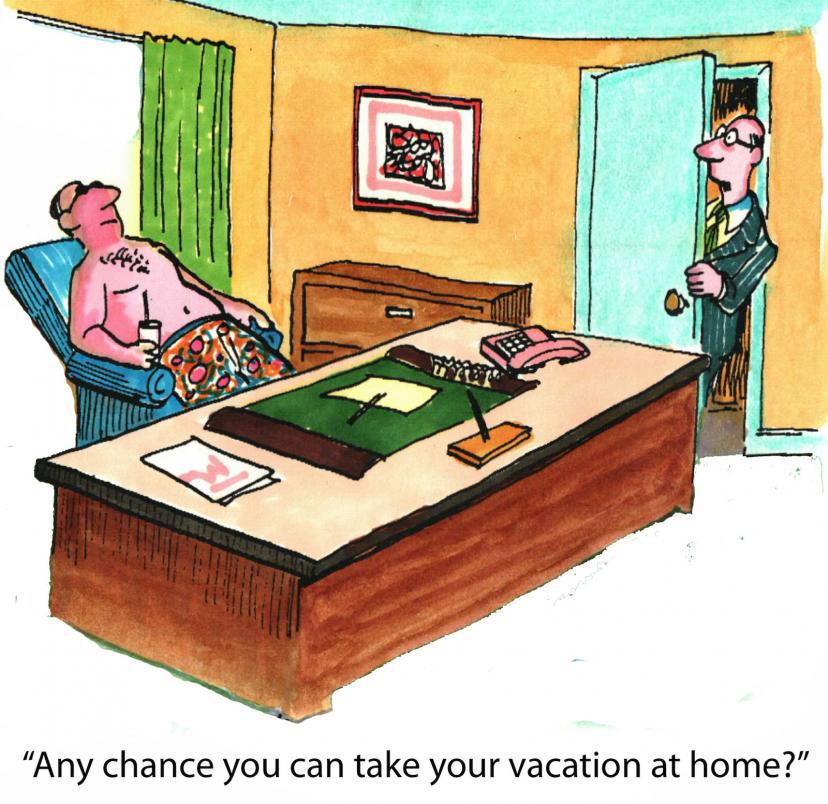

It has become expected of workers to burn the midnight oil without taking a break. Research from the Department of Psychology of the State University of New York has shown that workers who have skipped on their vacations for five years in a row are at a 30% increased risk of suffering from heart attacks and other debilitating illnesses – a direct consequence of chronic stress.
The obsessive workaholic culture in the United States is taking a mental toll on both employees and employers alike. The prevailing mindset makes workers too timid, scared or downright unwilling to avail their paid time off because they don’t want to come across as lazy, unmotivated or unproductive. It can also stem from fearing about their job security – paranoia it seems plays a great role in making workers waive their PTO.
A survey carried out by Right Management – a global career expert – found that the reason why 66 percent of employees did not use their paid time off was fear of layoffs. This paranoia extends to the upper management as well as the executive body of the business.
And while taking time off can put an increased workload on the rest of the staff, it’s only a temporary hassle; the pros more than outweigh the cons. The advantages of time off, paid or otherwise, are numerous and play a positive role on the bottom line of a business. When the worker takes some time off, even if it is a week, it provides them with a brief respite from the daily grinding routines of their job.
The same monotonous, robotic routine serves to dull a worker’s intellectual senses and impedes their creativity – and does not bode well either for the company or the employee.
A business does not want an employee who has burned out after toiling every single day without taking vacations for which they are rightly entitled to. The fresh, positive and energized spirits of a rejuvenated employee plays a role in uplifting the moods of both the bosses and coworkers alike.
The onus falls onto the owner
The onus sometimes falls onto the upper management to send a direct message to their employee that it’s time to take a break. Of course this means taking the necessary steps to ensure that the business runs smooth during the employee’s absence. This means doing work ahead of time to lighten the load, and informing supervisors and coworkers in advance of their time off from work.
Of course businesses should make the effort to go one step further: offering a comprehensive vacation plan. Which is paid vacation to a spa, hotel or even another country. There’s no better way of sending a message of appreciation and acknowledgement to an employee than to offer them free tickets to another country, let’s just say, the Bahamas.
Consequences of not availing PTO
Of course if an employee is adamant about not availing their PTO, then incorporate a ‘use it or lose it’ policy. This means the employee is essentially throwing away a small percentage of their salary, which is used to pay for this PTO. This threat will probably make them change their mind.