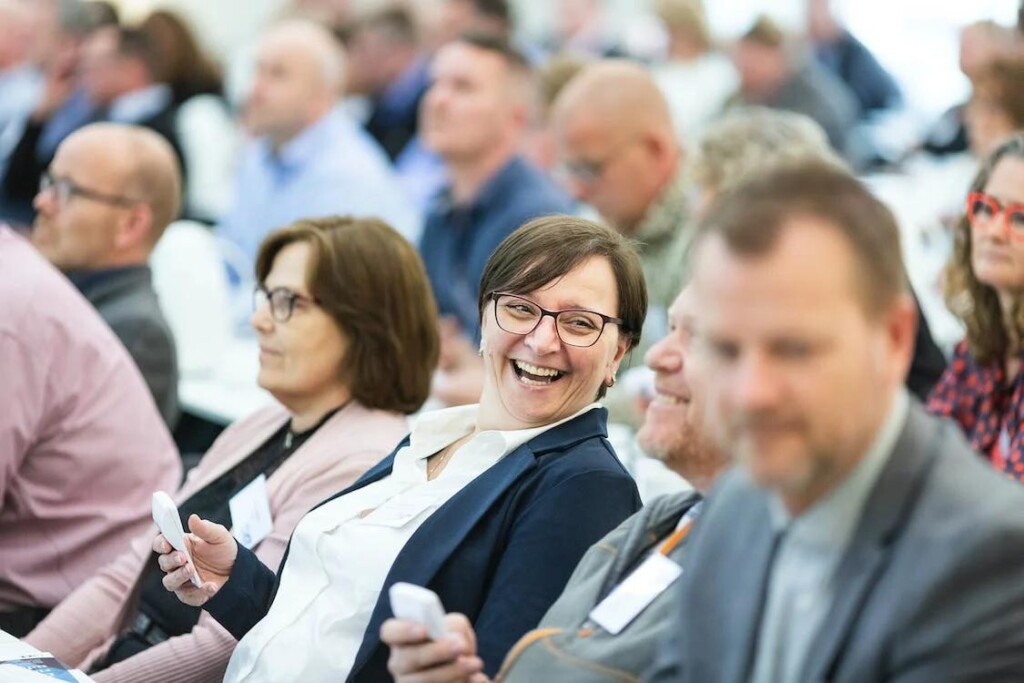

The workforce as we know it today is a mix of different generations, each bringing in their unique perspectives, values, and needs.
This is great for business processes and innovation, but it does present a problem for employers: catering to a multi-generational workforce in terms of compensation.
In this blog, we’ll go into how to design a compensation and benefits package that caters to the needs of every generation in the workforce.
Understanding the Generational Diversity
As of 2023, the workforce consists of four main generations: the Baby Boomers, Gen X, Millennials, and Gen Z. A large percentage of the workforce consists of millennials and Gen Zs, but there is a fair number of baby boomers and Gen X-ers at the top level, making their presence a significant one.
Different generations have different priorities regarding benefits, depending on their life stage and financial needs. For example, baby boomers nearing retirement may be more interested in retirement planning and health insurance. On the other hand, millennials who are still in the early stages of their careers may be more interested in flexible work arrangements and student loan repayment assistance.
Gen X tends to emphasize work-life balance, while millennials, currently about 40% of the workforce, put priority on their personal growth and wellness initiatives. As the first generation to grow up with technology, millennials seek more technology-driven benefits.
Gen Z is only just starting to enter the workforce and prioritizes their individuality, support, and flexibility in work arrangements. It’s estimated that by 2030, the workforce will comprise about 30% of Gen Zs.
The Case for Customization
One Size Doesn’t Fit All
When designing a benefits package, it’s important to remember that a standardized package may not be feasible for everyone. With every generation valuing different things, it’s better to acknowledge the diversity in needs and adjust the benefits depending on the individual.
Flexible Work Arrangements
While millennials and Gen Zs tend to prioritize flexibility in work arrangements more, giving the option allows anyone who needs this facility to use it. Different generations have different approaches to their work, affecting how they’d like to use their work week. Catering to these needs also helps improve productivity.
Professional Development
Some generations consider professional development and learning programs a greater benefit, while others may not. However, regardless of whether this is a priority, these programs are very important for the growth of the employees and, thus, the company they work in.
Providing continuous learning and skill development opportunities can attract and retain employees across generations.
Health & Wellness
Regardless of generation, all employees need health care and support. This includes everything from physical health to mental health and even fitness incentives. Such programs can greatly benefit and support employees at all stages of their life.
Financial Planning
Retirement planning assistance, student loan repayment, and financial literacy programs can address the varying financial priorities of each generation. Having a single financial planning program that encapsulates every aspect of finance allows all employees to bring up their varying concerns and get them addressed.
Inclusivity & Diversity Initiatives
Diversity and inclusivity is an important aspect of any workplace. It allows people of different backgrounds and outlooks to interact and learn from one another. Mentorship programs, employee resource groups, and bias training can help with this.
You do have to keep in mind that you can’t cater to every need for any generation. However, you can do your best to find the middle ground that covers the most important aspects for everyone.