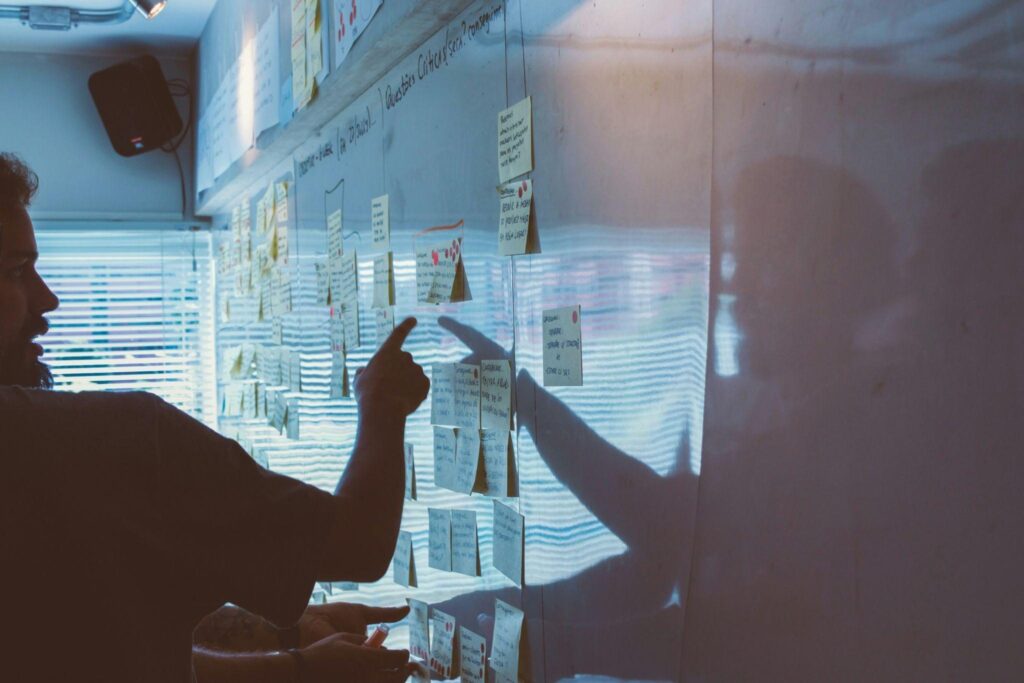

People strategy becomes most visible when certainty disappears. During years shaped by shifting markets, changing roles, and uneven growth, employees watch how decisions unfold. They look for consistency, clarity, and signs that leadership understands what instability feels like on the ground.
A workforce plan built for a year in flux does not chase perfect forecasts. Instead, it creates enough structure to support movement while leaving room to adapt. Workforce planning and organizational agility work best when they serve people, not spreadsheets.
Why Traditional People Strategy Breaks Under Pressure
Many organizations still operate with people plans built around fixed assumptions. Headcount targets, job designs, and growth paths often get set months in advance. When reality changes, those plans struggle to hold.
Employees feel the impact quickly. Roles stretch without guidance. Teams receive mixed signals. Managers make short-term decisions without context. As a result, workforce planning becomes reactive, and trust erodes.
A strategy that assumes stability can create more friction than clarity during unpredictable periods.
Organizations can strengthen their foundation by reviewing their employee benefits solutions alongside workforce planning and broader HR priorities.
What an Adaptive Approach Prioritizes
An adaptive people strategy focuses less on rigid outcomes and more on decision principles. It sets direction without locking teams into narrow paths.
Instead of defining every role in advance, adaptive approaches emphasize skills, learning capacity, and shared ownership. Planning becomes a living process, revisited regularly as conditions shift. Organizational agility improves when leaders explain how choices get made, not just what changes.
Designing for Change Without Creating Chaos
Change does not require constant announcements or structural resets. In many cases, steady adjustments feel more supportive than sweeping transformations.
An effective approach allows teams to adjust priorities, redistribute responsibilities, and experiment safely. Managers play a key role here. When they understand the intent behind workforce planning, they can guide teams through uncertainty with greater confidence.
Employees respond better when movement feels purposeful rather than reactive.
HR’s Role During a Year in Flux
HR acts as a stabilizing force during uncertain periods. Policies, communication, and performance systems all signal how the organization handles change.
A strong framework equips HR to coach leaders, monitor workload pressure, and align development efforts with immediate needs. Organizational agility depends on HR translating ambiguity into clear, human-centered guidance. When HR listens closely and adjusts quickly, teams can regain confidence.
For organizations that need additional support with changing workforce needs, fractional HR services can provide practical HR strategy and ongoing guidance.
Balancing Flexibility With Reassurance
Employees want room to adapt, but they also want consistency. An adaptive approach delivers both by maintaining clear expectations while allowing goals and methods to shift.
Reassurance comes from predictable feedback, steady leadership behavior, and transparent communication. Flexibility comes from adjustable objectives, skills-based growth, and trust in employee judgment.
Planning succeeds when employees understand what remains constant, even as priorities change.
What Employees Notice Most
During uncertain periods, employees pay close attention to everyday signals. They watch how leaders respond to setbacks, how priorities get rebalanced, and how workloads get managed.
A thoughtful people strategy builds credibility when actions match stated values. Organizational agility grows when employees feel informed rather than surprised.
Employee well-being should also remain part of the conversation. A thoughtful corporate wellness strategy can complement broader workforce initiatives by supporting employees as responsibilities and workplace conditions evolve.
Conclusion
A year in flux challenges every assumption behind people strategy. Organizations that prepare for movement rather than certainty can respond with clarity instead of urgency.
An adaptive approach strengthens workforce planning through transparency, flexibility, and consistent communication. Sustainable organizational agility develops when employees trust the system guiding change.
Uncertainty may persist, but a well-designed workforce approach makes it easier to move forward together.
Need Help Adapting Your Workforce Strategy?
JS Benefits Group helps employers align employee benefits, HR strategy, and workforce needs as organizations evolve.
Request a consultation with JS Benefits Group
What Happens When HR Stops Protecting the Company and Starts Protecting the Culture
Navigating Change: How to Prepare Your Team for Organizational Shifts