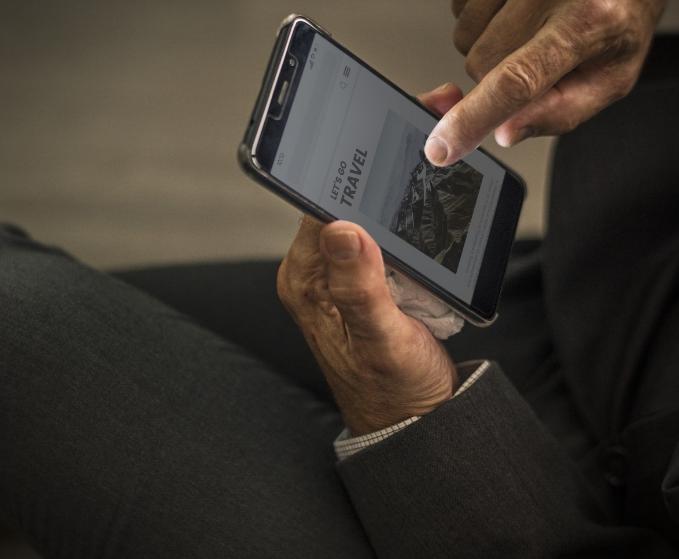
This guide will help you devise the perfect cell phone usage strategy for your workplace. Mobile phones have reshaped culture and the lifestyle of young adults all over the world. The recent interactivity of smartphones has added connectivity and allowed users to witness a world of entertainment and connectivity at their fingertips.
Users can now manage their finances, read emails, send messages, socialize with others, check weather updates, read news updates, send photos, listen to music, take notes, scan updates and record conversations using their handheld smartphone.
With the growing use of smartphones, it is easy for employees to get distracted when they are at work. In the days gone by, employees would leave their personal lives at home and focus entirely on work during their time in the organization. This has now been replaced with the trend of smartphones, where almost everyone is connected at all times.
While organizations were previously very rigid on cell phone usage, they now understand these devices as a necessary evil. Employees need a breather and can even use their phone as a source of motivation than just a distraction.
In this article, we help organizations decide things they should include within their cell phone policy and what exactly they should focus on. Stick with us for more guidance and information.
Do You Want a Strict Policy?
Certain organizations are very strict over cell phone usage and rule with an iron fist. All such organizations can include the following points in their policy:
- Employees must turn their phones off whenever they are working during office hours.
- Employees shouldn’t bring their phones with them to meetings.
- Employees must hand their phones over to a desk drawer before they walk in.
The repercussions that follow the failure to adhere to this cell phone usage policy should also be identified.
Or a More Flexible Policy?
Organizations that require a more flexible policy can opt for the same through additional flexibility in their policy. Such organizations can include the following details within the document:
- Employees should have their phones with them during office hours.
- Employees should put their phones on vibrate or silent.
- Employees shouldn’t use their phones during meetings for non-emergency purposes.
- Employees should make only urgent calls or texts from their work desk.
Employees should be reminded that while these policies are relaxing and flexible in nature, the lenience shouldn’t be misinterpreted or misused.
We at JS Benefits Group have worked with numerous clients to discuss the things they should include within their cell phone policy. You can get in touch with JS Benefits Group immediately to discuss and devise a plan.