
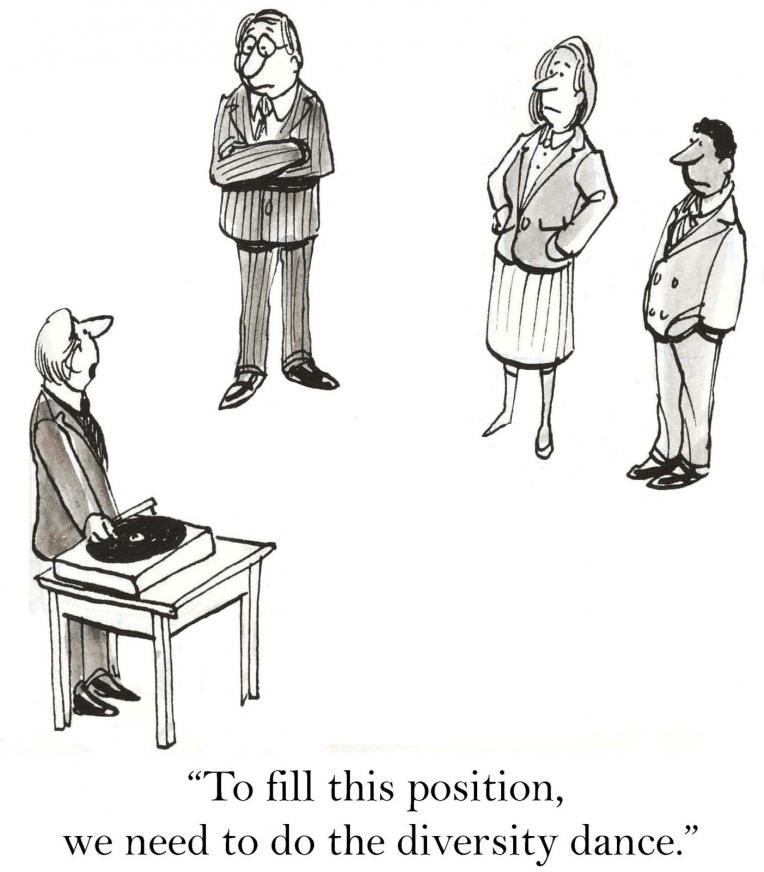
Diversity has become the need of the hour if a company is to progress beyond their little niche bubble and appeal to a wider customer base. Cultural diversity inadvertently injects the workplace with a surge of creativity, since you have people from all walks of life and backgrounds working in your office. The threat of getting axed because of differences based on physical appearance and origins of birthplace cease to take effect.
Employees will go the extra mile when they feel valued because of their unique individuality and distinct contribution to the workplace and this could extent their time with the company. But as with everything else at the workplace, an unplanned effort at diversifying the office can achieve the exact opposite of what it was originally designed to attain.
The need for a strong policy
The most important message the company should send out to both its employees and customer base is that it cares of their staff regardless of their sex, orientation, origins and cultural differences. A comprehensive diversity and equality policy which outlines clear boundaries, dos and don’ts of the workplace ensures that problems with assimilation and hostility between coworkers are minimized.
All workers have a role in welcoming new recruits from different racial backgrounds they’re not traditionally used to working with. As long as there is a lack of understanding among employees, the factors which contribute towards a toxic environment won’t be removed. This can result in bickering among employees which may one day spell destructive losses for the company’s bottom line and image.
The importance of diversity training
To prevent racism from running wild at the office, diversity training has definitely become an essential tool. The training should involve workers from all levels in the business, from HR managers to supervisors all the way to the newest recruit – everyone should be given the lowdown on company policies about racism at the workplace.
If the task proves to be daunting for the employer, an equality diversity specialist can also be hired to perform the job. The main purpose of the training is to ensure that harassment cases and racism are prevented in the future.
Backhanded comments
Racism doesn’t necessarily have to be direct. It can also take the form of backhanded comments. Certain words people use can easily be construed to have racist overtones. They can also take the form of a compliment in disguise but coated with poisonous and reprehensible perspectives – such as racism, ageism and sexism – which could go unnoticed by managers for a long time, until it’s too late.
Make use of exit interviews
During the time a person is employed, their lips are usually sealed when it comes to any incongruent activities running rampant at the office, this is because of the obvious fear of being chastised for disputing the status quo. When the disgruntled person quits the job, their perspective changes and they no longer have anything to lose.
At this point employers and HR managers should try to learn as much from their ex-employee as possible. In other words, don’t try to ‘interrogate’ them, in a friendly manner of course.

