
As far as benefit packages are concerned, it is a given that one size does not fit all. That is to say, what works best for a younger, enter-level employee might not sit well with an old empty nester.
Under such circumstances, it becomes essential to implement an employee benefits package that is flexible and takes into account the specific needs and income levels of each and every member of the workforce.
With the open enrollment period for 2018 just round the corner, employees will soon be headed towards private healthcare exchanges to choose the health and wellness benefits of their choice for the upcoming year.
Join us as we discover how some organizations use private benefits exchanges to provide employees more options to choose from, and to better regulate any and all the expenses incurred in the implementation of employee health benefits programs.
What Are Private Benefits Exchanges?
A private benefit exchange is a marketplace for health insurance and other similar benefits, such as dental, vision and life insurance.
Employers usually have recourse to a private exchange. Once there, they select from a multitude of carriers the benefits they want to offer their employees. At this point, they also specify and prescribe a contribution level for each offered benefit.
Then, employees access the exchange too in order to go over various benefit packages offered by their respective employers. They choose the one that better matches their financial needs and lifestyles.
How Do They Work?
Simply put, these exchanges are a store and each of the many types of offered benefits are its aisles. Employers control the store operations in the sense that they decide which products (read: benefits) they want to include in their company’s health and wellness package.
Let’s say, for example, one aisle is vision, with a number of vision-related products, up for grabs for employees.

Based on what benefits the organizations have decided to “put up for sale”, employees are at liberty to have a pick of the entire collection of benefits.
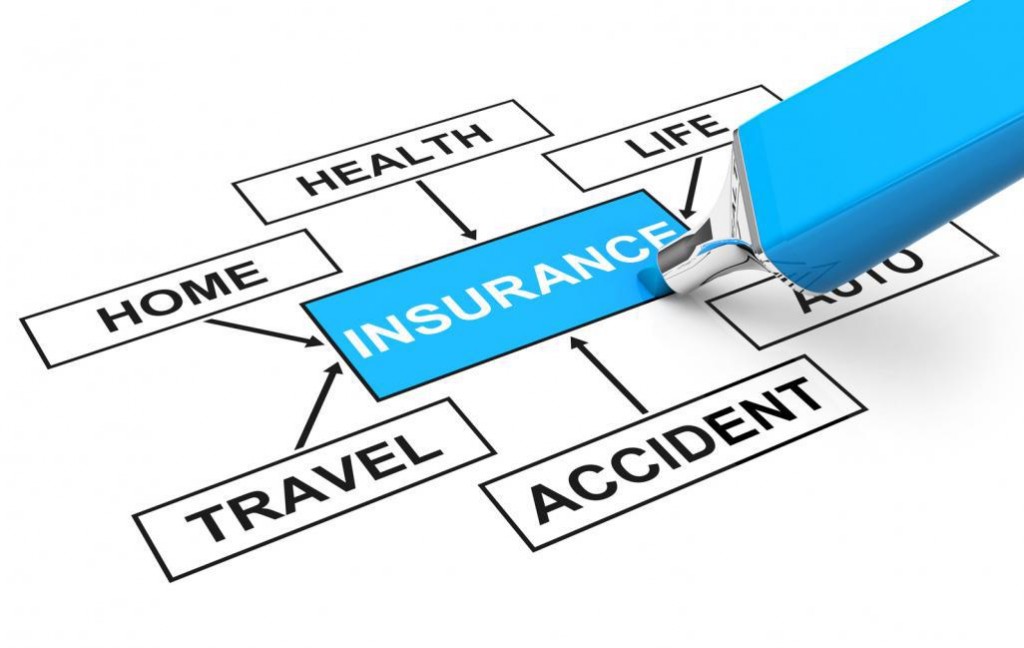
Employees who are seeking hospital indemnity can select it, while those who desire auto insurance, are able to as well. The idea is to allow them to customize their plan according to their specific needs, while simultaneously keeping it sustainable for the employers.
In short, private benefits exchanges offer a holistic approach to a healthy workforce as well as a healthy bottom line. Not only do they facilitate the employees to choose from a broader set of benefits, they also give employers greater control over the costs they incur by spending on health benefits programs.
Regardless of whether you are an employee or an employer without recourse to a private benefit exchange, we at JS Benefits Group help you better understand how the healthcare insurance marketplace works.
Rest assured that our dedicated team of employee benefit professionals will guide you through the effective administration of your health and welfare benefits. Get in touch with us today.