Your Benefits Broker Should Save You More Than They Cost.
Most employers overpay for benefits — not because they’re careless, but because they don’t have an expert in their corner at renewal time. JS Benefits Group delivers measurable, documented savings through smarter plan design, aggressive carrier negotiation, and compliance that prevents costly mistakes.

The Numbers Are Staggering.
Healthcare costs are projected to rise 7–8% in 2026, yet 67% of employers renew without ever shopping the market — because carriers count on that inertia. We don’t let that happen. From level-funded plan design to ACA compliance, our clients typically save 15–30% in year one — and every service is included at no additional cost.

Real Employers. Real Savings.
A Pennsylvania manufacturer with 145 employees saved $187,000 in year one. A New Jersey firm avoided $94,500 in IRS penalties. A Delaware healthcare organization reduced premiums by 22% — while employees actually preferred the new plan.

Find Out What You’re Leaving on the Table.
A free benefits analysis takes less than an hour and shows you exactly what your current plan is costing you — and what a smarter strategy would save. No pressure. No obligation. Just numbers.

Submit the form on the left or click here for more information.

Your Benefits Broker Should Save You More Than They Cost.
Most employers overpay for benefits — not because they’re careless, but because they don’t have an expert in their corner at renewal time. JS Benefits Group delivers measurable, documented savings through smarter plan design, aggressive carrier negotiation, and compliance that prevents costly mistakes.

The Numbers Are Staggering.
Healthcare costs are projected to rise 7–8% in 2026, yet 67% of employers renew without ever shopping the market — because carriers count on that inertia. We don’t let that happen. From level-funded plan design to ACA compliance, our clients typically save 15–30% in year one — and every service is included at no additional cost.

Real Employers. Real Savings.
A Pennsylvania manufacturer with 145 employees saved $187,000 in year one. A New Jersey firm avoided $94,500 in IRS penalties. A Delaware healthcare organization reduced premiums by 22% — while employees actually preferred the new plan.

Find Out What You’re Leaving on the Table.
A free benefits analysis takes less than an hour and shows you exactly what your current plan is costing you — and what a smarter strategy would save. No pressure. No obligation. Just numbers.

Submit the form on the left or click here for more information.

13 02, 2018

What does the bipartisan MLR bill mean for small businesses?

By |2018-01-17T07:35:13-05:00February 13th, 2018|Categories: HR|

Medical Loss Ratio or MLR is the minimum percentage of premium dollars insurance companies are allowed to spend on administrative costs such as salaries, marketing and bills. For instance if an insurer uses 70 cents out of each premium dollar to pay their customers’ medical claims to improve their quality of life, the company is said to have a medical loss ratio of 70%. The remaining 30% will then be used to pay for the costs of operation, marketing, profits, […]

12 02, 2018

Types of employees that HR hates

By |2018-02-01T08:14:12-05:00February 12th, 2018|Categories: HR|

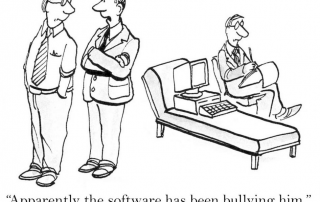
Most people feel they have interpersonal skills and end up on the roster of a human resources team to pursue their passion and derive profit from it. But over the course of a few years, the troublesome and somewhat chaotic environment of the workplace fills even the most passionate of HR personnel into souls devoid of empathy. This is because of terrible people at work who leech off of their compassion. […]

5 02, 2018

Are Uber’s drivers ‘employees’?

By |2018-01-17T07:14:03-05:00February 5th, 2018|Categories: HR|

The past year was a rollercoaster ride for Uber. They were marred by sexual harassment lawsuits, driver classification and their use of the controversial “Greyball” tool. Regulators and traditional rivals such as cab drivers and taxi firms have given the ride-hailing app much grief across the world by their non-stop protests. Indeed, Transport For London, England’s government body which foresees the transport system in the country, rejected Uber’s application for renewing their license because they were deemed unfit.

1 02, 2018

Identity Theft Protection

By |2018-01-17T06:51:36-05:00February 1st, 2018|Categories: Voluntary Benefits|

Companies all over the world have a huge bulls eye painted behind their backs, serving as honeypots for hackers and other cyber criminals. While internet security has somehow managed to keep up with brute force attacks because of their solid defense mechanisms, the general lack of knowledge displayed by employees opens numerous loopholes through which a company becomes open to successful data breach attacks. […]

31 01, 2018

Passive Enrollment vs Active Enrollment

By |2026-05-04T05:35:26-04:00January 31st, 2018|Categories: Employee Benefits|

HR professional and employee reviewing benefit enrollment forms during an open enrollment meeting

Passive Enrollment vs Active Enrollment

Most employees do not spend much time reviewing their benefit choices during open enrollment. That is why the decision between passive enrollment vs active enrollment matters for employers. The enrollment approach a business chooses can affect employee understanding, plan participation, benefit usage, and the overall value employees receive from their benefits package.

When employees automatically keep last year’s elections, they may miss changes in plan costs, coverage details, provider networks, contribution limits, or voluntary benefit options. In some cases, staying with the same choices works fine. In other cases, employees may remain in coverage that no longer fits their household, health needs, or financial situation.

For employers, open enrollment should not only be about completing paperwork. It should help employees understand their options, make informed decisions, and see the value of the benefits their company provides.

What Is Passive Enrollment?

Passive enrollment allows employees to keep their current benefit elections without taking action. If an employee does not make changes during open enrollment, their existing selections automatically carry over into the next plan year.

This approach is common because it is simple. Employees who are satisfied with their current benefits do not need to repeat the same selections every year. Employers may also receive fewer forms, fewer questions, and fewer last-minute changes during the enrollment period.

Passive enrollment can work well when a company’s benefit plans are stable and employees already understand their options. The issue is that convenience can lead to inaction. Employees may skip the review process even when their personal needs or plan options have changed.

Benefits and Risks of Passive Enrollment

Passive enrollment can make open enrollment easier for both employers and employees. It reduces the number of employees who need to complete new forms or confirm every benefit election.

For HR teams, this can lower the administrative burden. Instead of collecting new elections from every employee, the team can focus on workers who want to make updates or who need help understanding their options.

The main risk is that employees may stay in plans that no longer fit their lives. An employee may get married, have a child, add or remove a dependent, experience a health change, need new prescriptions, or take on new financial responsibilities.

Plan details can also change from year to year. Premiums, deductibles, copays, provider networks, prescription coverage, employer contributions, and available benefit options may not be the same as the previous year.

If employees do not review their choices, they may pay for coverage they do not use. They may also miss benefits that could help protect their family, reduce out-of-pocket costs, or improve financial security. This can be especially important for employees working within a tight household budget.

What Is Active Enrollment?

Active enrollment requires employees to review their benefit options and make selections for the new plan year. Instead of automatically carrying over last year’s choices, employees must confirm, update, or choose their benefits during open enrollment.

This process takes more planning, but it gives employees a stronger opportunity to compare plans, review costs, check coverage needs, and make decisions based on their current situation.

Active enrollment also gives employers a structured way to explain benefit changes. This can include benefit meetings, plan comparison guides, enrollment reminders, online enrollment tools, one-on-one support, and clear explanations of any plan updates.

Benefits and Challenges of Active Enrollment

Active enrollment can improve employee engagement because it requires employees to pay attention. They cannot simply ignore open enrollment and stay in the same plans by default.

This can lead to better benefit decisions. Employees may discover that a different medical plan is a better fit. They may adjust their HSA or FSA contribution. They may decide to add life insurance, disability coverage, accident coverage, critical illness coverage, or other voluntary benefits they previously overlooked.

Active enrollment also helps employers communicate plan changes more clearly. If premiums, deductibles, provider networks, prescription coverage, or employer contributions have changed, active enrollment gives HR teams a reason to explain those updates.

The challenge is that active enrollment can be more time-consuming. Employers need to prepare communication materials, answer employee questions, collect elections, send reminders, and make sure employees complete the process by the deadline.

That is why active enrollment needs to be simple and well planned. Employees should understand what they need to do, when they need to do it, and where they can get help.

Which Enrollment Approach Is Better?

The better approach depends on the business, the benefits package, and the workforce.

Passive enrollment may work well when plan options are stable, employee needs are relatively consistent, and there are few changes from the previous year. It can reduce administrative work and make enrollment easier for employees who do not need to make updates.

Active enrollment may be better when benefit plans have changed, employees are confused, participation is low, or the company wants workers to better understand their options. It is also useful when employers offer multiple medical plans, voluntary benefits, or contribution-based accounts that employees should review every year.

Some employers may benefit from a hybrid approach. For example, certain benefits may roll over automatically, while employees are required to review medical coverage, dependent coverage, HSA or FSA contributions, and voluntary benefit options.

The best enrollment strategy should balance convenience with education. Employees need a process that is easy to complete, but they also need enough guidance to make informed decisions.

How Employers Can Improve Open Enrollment

A strong enrollment process starts with clear communication. Employees should know when open enrollment begins, when it ends, what has changed, and what action they need to take.

Employers should avoid relying only on long documents or complicated insurance language. Most employees need simple explanations, plan comparisons, cost examples, and direct answers to common questions.

It also helps to communicate more than once. A single email is easy to miss. Employers can use reminders, meetings, digital tools, and follow-up messages to keep employees engaged throughout the enrollment period.

Before choosing an enrollment strategy, employers should ask whether plan costs or coverage details have changed, whether employees understand their options, and whether workers are using the benefits available to them. If employees often miss deadlines, ask the same questions, or choose coverage based only on paycheck deductions, the enrollment process may need more structure.

How JS Benefits Group Helps New Jersey Employers

JS Benefits Group helps businesses build and manage employee benefits programs that are clear, competitive, and easier to understand. We work with employers to review plan options, improve benefits communication, and support a smoother enrollment process.

For New Jersey businesses, open enrollment can be a chance to do more than renew benefits. It can be an opportunity to improve participation and make sure the benefits package supports both the company and its workforce.

Whether your business uses passive enrollment, active enrollment, or a combination of both, the right support can make the process easier for everyone involved.

Reviewed by JS Benefits Group

JS Benefits Group works with New Jersey employers to design, manage, and communicate employee benefits programs. Our team helps businesses simplify open enrollment and compare plan options more clearly.

Final Thoughts

Passive enrollment can be convenient, but it may cause employees to overlook important changes in their needs or benefit options. Active enrollment requires more effort, but it gives employees a better chance to review their choices and understand their coverage.

Employers should choose an enrollment approach that fits their workforce, plan structure, and communication goals. The strongest benefits strategy is one that helps employees make informed decisions without creating unnecessary confusion for HR teams.

If your business needs help improving its employee benefits program, open enrollment communication, or enrollment process, contact JS Benefits Group at (877) 355-6070 to speak with an employee benefits consultant in New Jersey.

31 01, 2018

Employee Wellness Program Statistics

By |2018-02-01T08:07:26-05:00January 31st, 2018|Categories: Wellness Program|

The more preventive care we use now, the less it costs everyone later. Wellness Programs at work contribute to overall health and betterment for employees, and savings on future claims costs for employers. For a complete picture, read the inforgaphic by JS Benefits Group.

[…]

30 01, 2018

Strategic Ways to Communicate With Employees about Employee Benefits

By |2018-02-01T08:09:01-05:00January 30th, 2018|Categories: Employee Benefits|

Employees are the backbone of an organization. Without, it would be impossible for a business to function. Whether it’s managers or their subordinates, every individual makes a significant difference in the way an enterprise works. […]

30 01, 2018

All You Need To About Know Private Exchange

By |2018-02-01T08:10:27-05:00January 30th, 2018|Categories: Group Health|

Ever wondered why all employees get the same benefits when they all have different needs and preferences? Well now that problem is solved! JS Benefits introduces “Private Exchange” – A Unique Group Health Option -That allows employees to pay and choose their own health plan. Find out more about Private Exchange Program through this inforgraphic.

[…]