16 02, 2026

Why HR Needs to Build Policies That Assume Fluid Careers, Not Linear Ones

By |2026-02-05T09:42:19-05:00February 16th, 2026|Categories: Group Health, HR, Vision Benefits, Workplace|

Career mobility

Fluid careers now describe how most people work. Employees change roles, step away, return with new skills, or move sideways instead of upward. HR policies still assume stable timelines, fixed ladders, and predictable growth. That gap creates tension.

When HR policy design ignores fluid careers, people feel boxed in. Career mobility slows. Trust weakens. Policies lose relevance. HR teams that adjust to fluid careers create clarity without forcing people into outdated paths.

Why Linear Career Assumptions […]

14 02, 2026

Why Employees Are Tired of Values They Can’t See Lived Daily

By |2026-02-05T09:35:57-05:00February 14th, 2026|Categories: Employee Benefits, Employee Feedback, Workplace|

Workplace Values

Company values appear on walls, websites, and onboarding decks. Employees read them early and hear them often. Yet many workers struggle to point to moments where company values guide real decisions.

This gap explains growing frustration. Employees want workplace values they can recognize during meetings, reviews, and conflicts. When company values stay abstract, employee trust weakens.

Why Company Values Feel Distant

Many organizations invest time writing strong value statements. Leaders approve them. Teams share them. Posters go up.

Daily work […]

12 02, 2026

What Happens When HR Stops Protecting the Company and Starts Protecting the Culture

By |2026-02-05T09:30:04-05:00February 12th, 2026|Categories: Group Health, HR, Workplace|

Workplace culture


HR culture shapes how employees interpret every decision. Policies, responses, and silence all send signals. When HR focuses only on shielding the company, employees notice the distance.

A different outcome appears when HR culture centers on protecting workplace culture. Trust grows. Conversations feel steadier. Employees engage with less fear. This shift changes how people experience work, especially during conflict or uncertainty.

Why HR Culture Became Defensive

Many HR teams learned to prioritize risk control. Legal […]

10 02, 2026

The New Onboarding: Building Trust When Half the Team Is Freelance and Remote

By |2026-02-05T09:23:59-05:00February 10th, 2026|Categories: Group Health, Stress Management, Work-Life Balance, Workplace|

Freelance workforce

Remote onboarding no longer serves one type of worker. Many organizations now welcome full-time employees and a freelance workforce at the same time. Remote onboarding must support distributed teams where people contribute under different contracts, timelines, and expectations.

Trust forms early in these environments. Remote onboarding sets the tone for how people communicate, make decisions, and ask for help. When onboarding lacks structure, distributed teams feel distant before real work even begins.

Why Remote Onboarding Feels Fragile […]

17 06, 2025

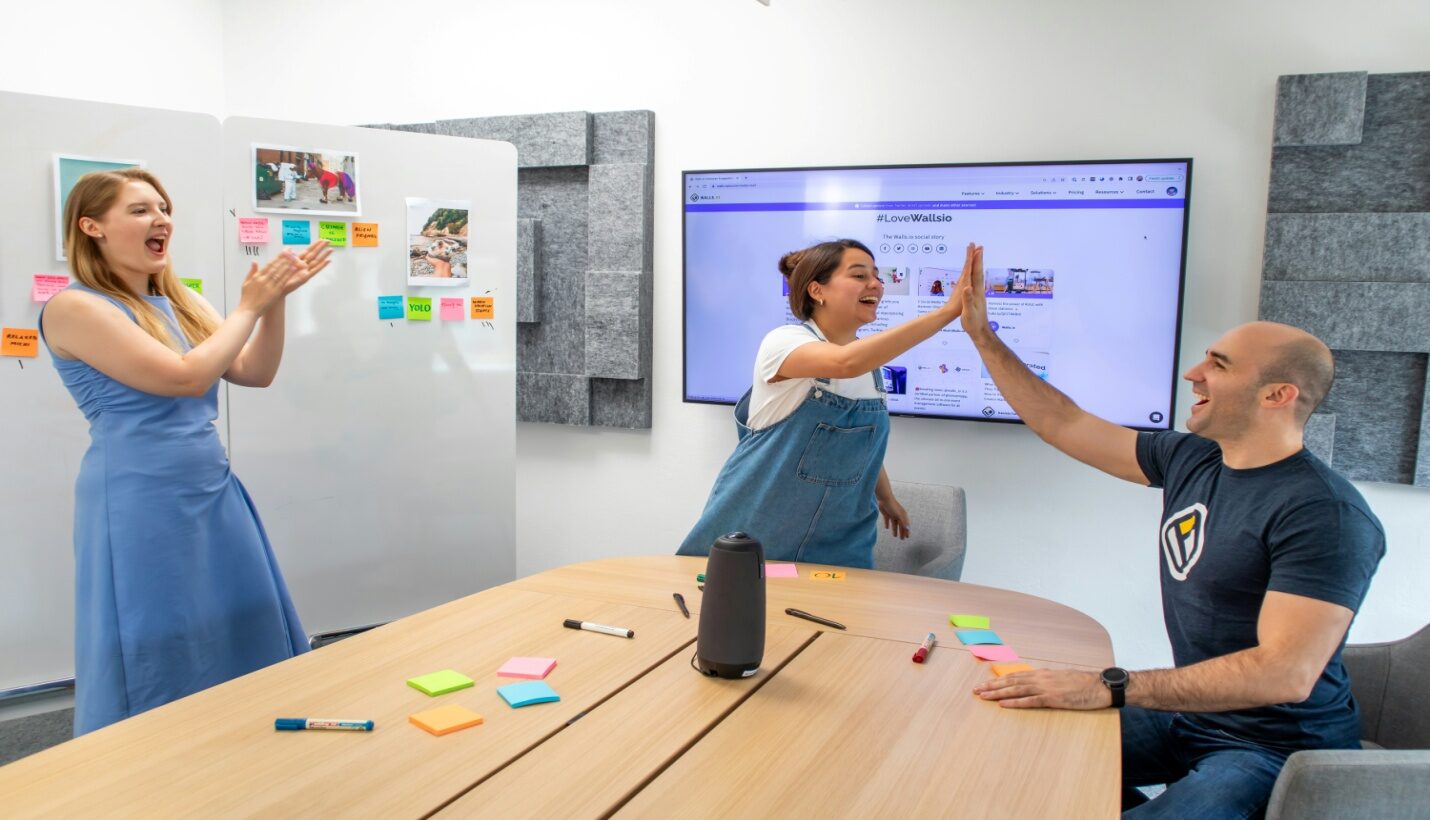
Why Celebrating Small Wins Boosts Engagement Every Day

By |2025-06-13T17:07:00-04:00June 17th, 2025|Categories: Group Health, Workplace|

Workplace culture

In the hustle of deadlines and long-term goals, it’s easy to overlook the more minor victories that happen every day. But these “small wins” solving a tricky issue, finishing a project milestone, or helping a teammate are the building blocks of progress. When organizations take the time to acknowledge and celebrate these moments, they cultivate a sense of purpose, momentum, and connection.

Recognizing small wins doesn’t just make people feel good. […]

13 05, 2025

Why Being Kind Might Matter More Than Being Smart in Leadership?

By |2025-05-13T13:34:39-04:00May 13th, 2025|Categories: Employee Feedback, Workplace|Tags: , , |

In today’s hyper-competitive world, leadership is often mistaken for sharp intellect, strategic thinking, or having the loudest voice in the room. However, if we look closer at the teams that thrive, you’ll find a different story. These teams are led not by genius, but by genuine kindness. This means the leaders who win long-term aren’t always the smartest; they’re the most human.

Well, to clarify, we’re not saying intelligence doesn’t matter. Of course, it does, but in modern organizations, being smart […]

13 05, 2025

Moving Beyond Icebreakers to Create Team Moments That Last

By |2025-05-13T13:23:53-04:00May 13th, 2025|Categories: Workplace|Tags: , , |

It’s a familiar scene. A new team gathers, and the leader cheerfully announces, “Let’s go around and share a fun fact about ourselves!” Cue the polite laughter, a few awkward pauses, and often, a quick return to business as usual. While icebreakers have their place, they rarely spark the kind of authentic, lasting connections that teams need to thrive. To build truly cohesive, resilient teams, leaders must go beyond surface-level introductions and create lasting team moments that strengthen workplace relationships.

Why […]

13 05, 2025

How Identity and Unspoken Norms Shape True Belonging at Work?

By |2025-05-13T13:19:04-04:00May 13th, 2025|Categories: Workplace|Tags: , , , |

Imagine stepping into a workplace where everyone looks productive, the meetings run smoothly, and collaboration seems effortless, but something feels off. Off enough to make you feel hesitant before speaking up. So, what do you naturally do? You second-guess how much of “you” is safe to show.

Well, that’s not just nerves; it’s your identity bumping up against unspoken norms, and this tension is what often blocks true belonging at work.

Belonging isn’t just about having a seat at the table; it’s […]

5 05, 2025

Why Peer Accountability Boosts Motivation More Than Top-Down Goals?

By |2025-05-05T14:09:01-04:00May 5th, 2025|Categories: Workplace|Tags: , , |

Traditional goal-setting models often place the manager at the center of motivation, setting targets, monitoring progress, and driving accountability. While this top-down approach has its place, it’s increasingly clear that something else drives people more powerfully, and that is peer accountability.

In high-functioning workplaces, motivation doesn’t just flow from leadership; it flows between colleagues. When you’re accountable to a team, not just a boss, your sense of purpose, ownership, and drive shift dramatically. Here are the reasons why peer accountability in high-performing teams is […]

Go to Top