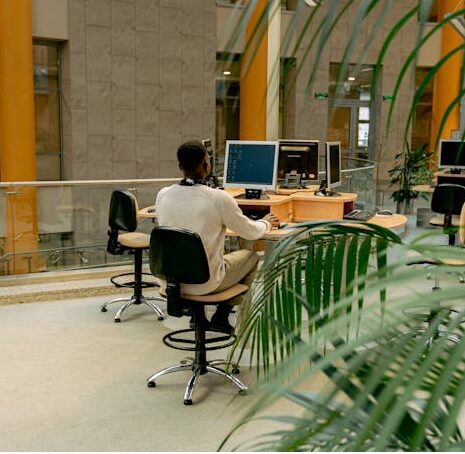

The always-on culture can lead to burnout, stress, and a diminished work-life balance. To counter these effects, many organizations are embracing digital detox initiatives, encouraging employees to disconnect and recharge.
Promoting a healthy relationship with technology is crucial in today’s hyper-connected world. Digital detox culture emphasizes mindful technology use, creating boundaries, and prioritizing mental and physical health.
In this post, we’ll share six ways to encourage healthy tech habits and promote employee well-being. As a result, you’ll foster a more balanced and productive work environment.
1. Encourage Device-Free Breaks: Restoring Focus and Creativity
Encourage employees to take regular breaks from their digital devices throughout the workday. These breaks can be short, even just a few minutes, but they allow them to step away from screens, rest their eyes, and clear their minds.
Furthermore, promotes activities that encourage physical movement and social interaction during breaks. Walking meetings, stretching sessions, or simply chatting with colleagues can help employees disconnect from technology and recharge their mental batteries.
2. Promote Mindful Technology Use: Intentional Engagement
Mindful technology use involves being intentional about when and how we engage with digital devices. Encourage employees to set boundaries for themselves, such as designating specific times for checking emails or social media.
Additionally, strategies should be promoted to minimize distractions during work hours. Turning off non-essential notifications, using website blockers, and scheduling focused work periods can help employees stay present and avoid the constant pull of digital interruptions.
3. Lead by Example: Demonstrating Healthy Habits
Leaders play a crucial role in shaping workplace culture. By demonstrating healthy technology habits, leaders can set a positive example for their teams. This might involve setting clear boundaries for after-hours communication, taking device-free breaks, or prioritizing face-to-face interactions.
Moreover, creates a culture where employees feel comfortable disconnecting without fear of missing out or falling behind. Encourage open communication about workload management and expectations, ensuring that employees feel supported in prioritizing their well-being.
4. Offer Digital Detox Workshops: Equipping Employees with Strategies
Provide employees with resources and training on digital detox practices. Workshops or online resources can offer valuable tips on managing digital distractions, setting boundaries, and practicing mindfulness in the digital age.
Additionally, consider incorporating digital well-being topics into existing employee wellness programs. This might involve sessions on stress management, sleep hygiene, or mindful technology use, empowering employees to take control of their digital habits.
5. Create Tech-Free Zones: Designated Spaces for Disconnection
Designate specific areas within the workplace as tech-free zones. These spaces can offer employees a quiet retreat to relax, recharge, and connect with colleagues without the distractions of digital devices.
Furthermore, consider incorporating elements of nature into these spaces. Plants, natural light, and comfortable seating can create a calming and restorative environment, promoting mental well-being and a sense of detachment from the digital world.
6. Support Offline Activities: Encouraging Real-World Engagement
Encourage employees to engage in activities outside of work that don’t involve screens. This might include hobbies, sports, volunteering, or spending time with loved ones. Promote a healthy work-life balance by supporting employees in pursuing their passions and interests.
Moreover, consider organizing company events or activities encouraging social interaction and real-world engagement. Team outings, volunteering initiatives, or group fitness classes can foster camaraderie and provide opportunities for employees to connect outside of the digital realm.
Conclusion
Digital detox is essential for employee well-being in today’s hyper-connected world. Encouraging healthy tech habits will create a culture that results in a happier, more focused, and more productive workforce.