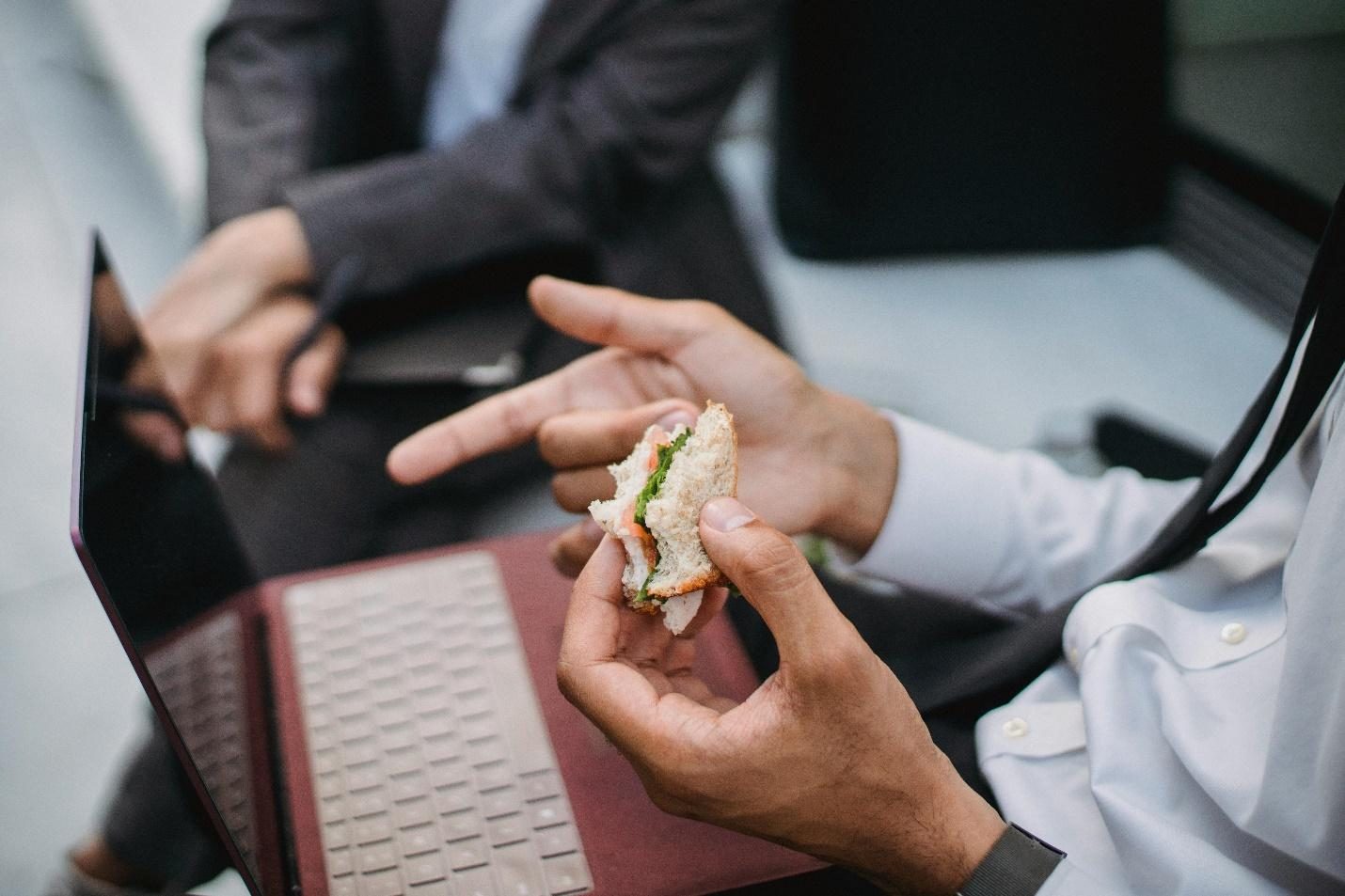
Quick Answer: Food perks can support employee engagement when they are flexible, inclusive, and based on what employees actually value. Shared meals, grocery stipends, healthy snacks, and recognition events can strengthen connection and show appreciation, but they should complement fair pay, supportive management, and meaningful benefits.
Key Takeaways
- Food perks work best when employees have choices.
- Shared meals can create natural opportunities for connection.
- Remote, hybrid, and shift employees should not be overlooked.
- Food can support recognition, but it should not replace compensation or core benefits.
Why Traditional Food Perks May Lose Their Impact
Free pizza and a stocked snack shelf can still be appreciated, but they do not automatically make employees feel valued.
The same catered meal may also have limited value for remote workers, employees on another shift, or people with allergies, dietary restrictions, or different food preferences.
That does not mean food perks are outdated. It means employers should think more carefully about what they offer and whether it fits the way their employees actually work.
A useful program does more than provide food. It gives employees practical choices and creates opportunities for connection, recognition, or convenience.
How Food Perks Can Support Engagement
Food is often connected to comfort, energy, celebration, and social interaction. A shared meal can give employees a chance to talk with people outside their usual team and build stronger working relationships.
These moments may help new employees feel welcome and give teams a natural way to recognize progress.
Food alone will not create an engaged workforce. Engagement is also shaped by pay, workload, leadership, growth opportunities, recognition, and workplace culture. Food perks are most useful when they support an already healthy employee experience.
Food Perks That Go Beyond Free Lunches
| Food perk | Potential value |
|---|---|
| Meal or grocery stipend | Gives employees more flexibility |
| Healthy office snacks | Offers convenient options during the day |
| Shared team meals | Encourages informal connection |
| Recognition meals | Helps celebrate milestones and achievements |
The most expensive option is not always the most effective. A smaller program that employees understand and use may provide more value than a larger offering that does not match their needs.
For example, a hybrid company might host one team lunch each month while giving remote employees a comparable meal credit. That creates a shared benefit without limiting it to people in the office.
Make Food Perks Flexible and Inclusive
Employers can make food programs more useful by offering choices and considering allergies, religious restrictions, cultural preferences, and different work schedules.
Shared meals should remain optional. Some employees may prefer quiet time during lunch or have personal responsibilities that make participation difficult.
For remote or hybrid teams, grocery stipends, meal-delivery credits, or meal-kit support may feel more equitable than office-only catering.
Employers should also review any payroll or tax considerations before offering stipends or meal credits.
Use Food for Meaningful Recognition
Food can be a thoughtful way to recognize a project launch, work anniversary, team achievement, or demanding work period.
A team breakfast, catered lunch, or personalized meal may feel more meaningful than using the same reward for every occasion. Asking employees what they prefer can make the recognition feel more genuine.
Food should still be one part of a broader recognition strategy. Employees may also value time off, bonuses, professional development, or direct acknowledgment from leadership.
Ask Employees What They Value
Employers should not assume everyone wants the same food perk.
A short survey can ask about dietary needs, preferred options, interest in shared meals, and whether employees would rather receive food, a stipend, or another type of benefit.
Feedback can help employers avoid spending money on programs employees rarely use. It may also reveal whether remote, hybrid, or shift employees are being unintentionally excluded.
Frequently Asked Questions About Employee Food Perks
Do food perks improve employee engagement?
They may support engagement by encouraging connection, showing appreciation, and making the workplace experience more positive. They cannot replace fair compensation, supportive management, or meaningful benefits.
What food perks work well for remote employees?
Meal-delivery credits, grocery stipends, and meal-kit support may be more useful for remote teams than office catering. The best option depends on employee preferences and the company’s budget.
How can employers make food perks more inclusive?
Offer several choices, label ingredients, consider dietary restrictions, and provide comparable options for remote and shift employees. Participation in shared meals should also remain optional.
How often should employers offer food perks?
There is no single schedule that works for every company. A consistent monthly or quarterly program may feel more meaningful than frequent offerings employees stop noticing.
How can employers tell whether the program is working?
Review participation, employee feedback, usage, cost, and whether the perk reaches different parts of the workforce. A program that is rarely used or excludes certain employees may need to be adjusted.
Build Food Perks Around Your Employees
Food perks should fit the workforce, budget, and broader benefits strategy.
JS Benefits Group can help employers evaluate employee needs and build benefits employees understand and use. Call (877) 355-6070 to schedule a consultation.