Your Benefits Broker Should Save You More Than They Cost.
Most employers overpay for benefits — not because they’re careless, but because they don’t have an expert in their corner at renewal time. JS Benefits Group delivers measurable, documented savings through smarter plan design, aggressive carrier negotiation, and compliance that prevents costly mistakes.

The Numbers Are Staggering.
Healthcare costs are projected to rise 7–8% in 2026, yet 67% of employers renew without ever shopping the market — because carriers count on that inertia. We don’t let that happen. From level-funded plan design to ACA compliance, our clients typically save 15–30% in year one — and every service is included at no additional cost.

Real Employers. Real Savings.
A Pennsylvania manufacturer with 145 employees saved $187,000 in year one. A New Jersey firm avoided $94,500 in IRS penalties. A Delaware healthcare organization reduced premiums by 22% — while employees actually preferred the new plan.

Find Out What You’re Leaving on the Table.
A free benefits analysis takes less than an hour and shows you exactly what your current plan is costing you — and what a smarter strategy would save. No pressure. No obligation. Just numbers.

Submit the form on the left or click here for more information.

Your Benefits Broker Should Save You More Than They Cost.
Most employers overpay for benefits — not because they’re careless, but because they don’t have an expert in their corner at renewal time. JS Benefits Group delivers measurable, documented savings through smarter plan design, aggressive carrier negotiation, and compliance that prevents costly mistakes.

The Numbers Are Staggering.
Healthcare costs are projected to rise 7–8% in 2026, yet 67% of employers renew without ever shopping the market — because carriers count on that inertia. We don’t let that happen. From level-funded plan design to ACA compliance, our clients typically save 15–30% in year one — and every service is included at no additional cost.

Real Employers. Real Savings.
A Pennsylvania manufacturer with 145 employees saved $187,000 in year one. A New Jersey firm avoided $94,500 in IRS penalties. A Delaware healthcare organization reduced premiums by 22% — while employees actually preferred the new plan.

Find Out What You’re Leaving on the Table.
A free benefits analysis takes less than an hour and shows you exactly what your current plan is costing you — and what a smarter strategy would save. No pressure. No obligation. Just numbers.

Submit the form on the left or click here for more information.

12 01, 2018

OCB at the workplace

By |2018-01-04T16:39:28-05:00January 12th, 2018|Categories: HR|

The world is becoming increasingly competitive which has made it extremely important for employees to go the extra mile and overexert themselves to meet the client’s epectations. Managers and employers ask their employees to take on some extra responsibility and time, and out of the sheer desire to not let their boss down, employees begin to push themselves over the edge and actually show improved productivity and results.

For a short time period however.

Human resource professionals refer to this phenomenon as […]

11 01, 2018

Managing negative employees at the workplace

By |2018-01-04T16:39:29-05:00January 11th, 2018|Categories: HR|

Not all employees will be happy with office policies and not everyone will enjoy the assignment they’ve been given to complete. This negativity will eventually seep into the rest of your workplace and create a toxic environment. At times employees realize that it’s them who contributes towards the problem, and usually back down.

At other times, it requires a determined effort by employers and HR managers to address the negativity. Usually having a sit-down with the employee will take care of […]

9 01, 2018

Why Dental Insurance Still Matters in an Employee Benefits Package

By |2026-05-01T09:16:14-04:00January 9th, 2018|Categories: Employee Benefits|

Why Dental Insurance Still Matters in an Employee Benefits Package

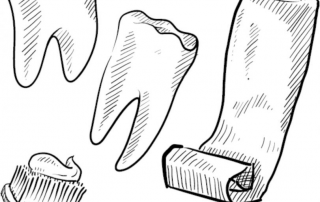
Dental insurance is one of the most practical benefits employers can include in a well-rounded employee benefits package. It helps workers manage the cost of routine care, supports preventive health, and can make a company’s benefits program more competitive when recruiting and retaining talent.

For many people, dental costs are easy to delay until a problem becomes more serious. A well-structured plan can make routine cleanings, exams, and necessary treatment more affordable. For employers, that means offering a benefit that employees can actually use throughout the year.

Dental Benefits Support Preventive Care

Dental care is closely connected to overall health. Regular exams and cleanings can help identify issues early, reduce the risk of more serious dental problems, and encourage employees to keep up with routine care.

Preventive coverage is one of the main reasons employees value this benefit. When cleanings, X-rays, and exams are easier to afford, people are less likely to put off basic care because of cost.

Dental Costs Can Become a Financial Burden for Employees

Without coverage, even routine dental visits can feel expensive for employees and their families. More involved procedures, such as crowns, root canals, periodontal treatment, oral surgery, or dentures, can create a much larger financial burden.

A group plan helps make these costs more predictable. While every plan is different, coverage can reduce the amount employees pay out of pocket for preventive, basic, and major dental services.

Why Dental Benefits Matter for Small Businesses

Small businesses often have to compete with larger employers for qualified workers. Larger companies may be able to offer broader benefits packages, which can make recruiting and retention more difficult for smaller employers.

Adding dental coverage can help small businesses strengthen their overall benefits program without always requiring a major increase in cost. Employers may be able to offer shared-cost or voluntary options that give employees access to coverage while helping the business manage expenses.

For a team, this can make a meaningful difference. Dental benefits may not be the only reason someone accepts or stays in a role, but they can improve the overall value of the compensation package.

Employer-Paid vs. Voluntary Coverage

Employers do not always need to cover the full cost of a plan to make coverage available. Some businesses choose an employer-paid structure, where the company pays most or all of the premium. Others use a contributory model, where the employer and employee share the cost.

A voluntary plan can also be a useful option for small businesses. In this setup, employees can choose whether to enroll and usually pay the premium through payroll deductions. This gives employees access to group coverage while helping the employer control fixed benefit costs.

What Group Plans Usually Cover

Dental plans vary, but many group options include coverage for preventive, basic, and major services. Preventive care often includes exams, cleanings, and X-rays. Basic services may include fillings, simple extractions, and certain periodontal treatments.

Major services may include crowns, bridges, dentures, oral surgery, and other more complex procedures. Some plans may also offer orthodontic coverage, although this depends on the plan design.

Employers should review the details carefully. The monthly premium matters, but so do deductibles, annual maximums, waiting periods, provider networks, and coverage percentages. Coverage details can vary by carrier, group size, state, and plan design, so employers should review the specifics of each option before making a decision.

What Employees Usually Look for in a Dental Plan

Employees usually want coverage that is affordable, easy to understand, and accepted by dentists near them. A plan may look inexpensive at first, but it may not feel valuable if the provider network is limited or the annual maximum is too low.

Provider access matters because employees are more likely to use the benefit when the plan includes dentists they already know or convenient providers near home or work.

Employers should look beyond the premium and consider how the plan works for routine cleanings, fillings, crowns, periodontal care, and family coverage. A benefits advisor can help compare these details so the final option is practical for both the business and its employees.

How Dental Benefits Can Support Retention

Employee benefits can affect how people feel about their workplace. When employees see that their employer is investing in useful coverage, it can support morale, loyalty, and overall satisfaction.

Dental benefits do not guarantee retention on their own. However, they can contribute to a stronger benefits package, especially when combined with health insurance, vision coverage, life insurance, and other employee benefits.

Replacing experienced employees can be costly. Recruiting, hiring, onboarding, and training all take time and resources. Offering practical benefits can help give employees more reasons to stay.

What Employers Should Compare Before Choosing a Plan

Choosing a dental plan should involve more than comparing monthly premiums. Employers should review how each option works for employees in real situations.

Important details to compare include preventive care coverage, deductibles, annual maximums, coinsurance levels, waiting periods, network access, orthodontic options, and dependent coverage. Employers should also consider whether the plan will be employer-paid, shared-cost, or voluntary.

Network access is especially important because employees are more likely to use the benefit when their preferred dentists or convenient local providers participate in the plan.

The right option depends on the company’s budget, employee needs, and overall benefits strategy. A plan that works well for one business may not be the best fit for another.

How JS Benefits Group Can Help

JS Benefits Group helps employers review dental coverage options as part of a complete employee benefits strategy. This includes comparing plan designs, reviewing cost structures, and helping businesses understand how dental benefits fit with their broader benefits program.

For small and mid-sized businesses, this guidance can be especially helpful. Employers can explore options that support employees without adding unnecessary complexity or cost to the benefits program.

If your business is reviewing employee benefits, comparing renewal options, or considering dental coverage for the first time, JS Benefits Group can help you evaluate available plans and understand which structure may fit your team and budget.

Frequently Asked Questions About Employee Dental Benefits

Is dental insurance required for employers?

In most cases, dental insurance is not required for employers, but it can be a valuable part of an employee benefits package. Many employees expect access to dental coverage, especially when comparing job offers or evaluating overall compensation.

Can small businesses offer dental coverage?

Yes. Small businesses can often offer coverage through employer-paid, shared-cost, or voluntary plans. The best option depends on the company’s budget, employee needs, and benefits goals.

What is the difference between voluntary and employer-paid dental coverage?

With employer-paid coverage, the business pays most or all of the premium. With voluntary coverage, employees usually choose whether to enroll and pay the premium themselves, often through payroll deductions. Some employers also use a shared-cost approach.

What do group dental plans usually cover?

Group plans commonly include preventive care such as cleanings, exams, and X-rays. Many plans also include basic services such as fillings and extractions, along with major services such as crowns, bridges, dentures, or oral surgery.

How much should employers contribute to dental coverage?

Employer contributions vary. Some businesses pay the full premium, some share the cost with employees, and others offer coverage as a voluntary benefit. The right contribution strategy depends on the employer’s budget and benefits objectives.

Do dental benefits help with employee retention?

Dental benefits can support retention by improving the overall value of the company’s benefits program. They may not be the deciding factor on their own, but they can help employees feel better supported and make the company’s benefits more competitive.

8 01, 2018

HR Management and Benefits Administration

By |2022-08-16T11:46:37-04:00January 8th, 2018|Categories: HR, HR|

When deciding to outsource your company’s HR management and benefits administration, finding the right firm for the job is very crucial and can be a big difference maker. JS Benefits Group has been offering its services for the same in the Mid-Atlantic and has become a strategically valuable partner for many companies. […]

6 01, 2018

Employee Benefits Program – One of the biggest challenge

By |2018-01-04T16:39:30-05:00January 6th, 2018|Categories: HR|

One of the biggest challenge faced by every company’s HR department is designing the perfect benefits package that can help retain current employees as well as as attract new ones. Want to know what appeals to most of the employees and should be included in your company’s benefits program? Watch this video now! […]

5 01, 2018

Desired employee benefits versus redundant benefits

By |2018-01-04T16:39:31-05:00January 5th, 2018|Categories: Voluntary Benefits|

Employees value their benefits almost as much as their salaries. There are a host of employee benefits offered by businesses and they’re not all equally valued. Once businesses are able to gauge the kinds of benefits most valued by their employees, it would definitely help with them with designing a suitable benefits package.

The most important dilemma concerning many businesses is how to recruit and retain their workforce, since employee turnover is a real plague which has affected many businesses and […]

4 01, 2018

All You Need To Know About Key Person Benefits

By |2018-02-19T04:54:59-05:00January 4th, 2018|Categories: Key Person|

Do you know that you can protect your company executives and founders through key person benefits? You can offer them customized insurance plans that protects not only their families, but also the business. Find out more about key person benefits through this infographic. […]

3 01, 2018

The pointlessness of useless rewards and benefits

By |2018-01-04T16:39:32-05:00January 3rd, 2018|Categories: HR|

Believe it or not but there is such a thing as bad employee benefits. Employers try so hard to ensure that their employee benefits package is an all encompassing one, that they begin to offer benefits which their staff don’t really want, are counterintuitive to their task and actually serve to demotivate and decrease engagement levels at the workplace.

It’s not about the quantity of the benefits as much as it is about the quality and desirability of the rewards.  Benefits […]

2 01, 2018

Designing A Corporate Wellness Program That Actually Works

By |2018-01-04T16:39:32-05:00January 2nd, 2018|Categories: HR|

Do corporate wellness programs actually work? Well, yes they do – If you design them keeping your employees’ needs in mind and incorporating the right incentives. This infographic will give you some tips about designing a successful wellness program for your firm. […]

2 01, 2018

Paying attention to your employee

By |2018-01-04T16:39:32-05:00January 2nd, 2018|Categories: Non Traditional Group Health Plans|

The most significant asset of any company is the resource pool of employees who work there. Most employers are guilty of ignoring the needs of their staff and instead spend too much of their time on results. While exclusively being a result oriented company definitely helps your bottom line in the short run, it can damage the very fabric of your existence in the long run.

Here’s the rule you need to remember: never let go of your employees. Hold on […]