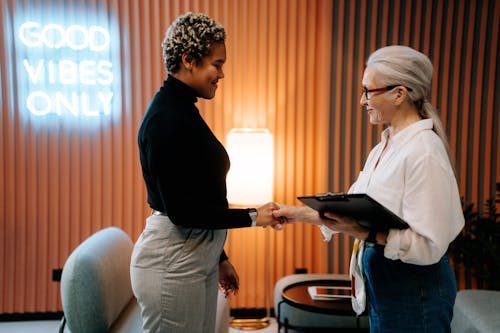

Employees may not remember every policy update or handbook revision, but they always remember how they were treated when they needed help. The quiet moments between HR and employees often carry more weight than formal initiatives or companywide programs. Over time, these interactions shape how people feel about their workplace, their leaders, and their future with the organization.
HR employee interactions are daily touchpoints that influence trust, confidence, and emotional safety. Each conversation, explanation, or response becomes part of a larger story that employees tell themselves about whether they belong and are valued.
Small HR Moments Leave Long Impressions
Many HR conversations happen during moments of stress or uncertainty. A benefits question after a medical diagnosis. A conflict discussion with a manager. A policy clarification during a difficult personal situation. These moments are rarely neutral for the employee.
How HR listens, responds, and follows through becomes a signal of what the organization stands for. Over time, repeated positive experiences reinforce trust, while rushed or dismissive interactions slowly erode it. The employee experience is shaped less by large announcements and more by how consistently employees feel supported in everyday situations.
Employers can reinforce that experience through a broader employee benefits strategy that gives employees access to meaningful resources and support.
Trust Is Built Through Consistency, Not Perfection
Employees do not expect HR to have all the answers. What they desire is fairness, respect, and honesty. When conversations are handled consistently, employees learn that outcomes may not always favor them, but the process will always be fair.
Inconsistent treatment creates confusion and skepticism. When similar situations receive different responses, employees begin to question motives and credibility. Over time, this uncertainty affects engagement and willingness to seek help. Strong HR relationships depend on predictable behavior and clear communication, even when the message is difficult.
How HR Conversations Shape Workplace Culture
Culture is not defined solely by mission statements. It is reinforced through daily behavior. HR plays a central role in shaping workplace culture through the way policies are explained and applied.
When HR frames policies as tools for support rather than control, employees feel respected. When explanations are clear and patient, employees feel included rather than managed. Over time, these patterns influence how employees treat one another and how comfortable they feel raising concerns.
A corporate wellness strategy can also complement these efforts by supporting employee well-being as part of the broader workplace environment.
The Emotional Memory Employees Carry Forward
Employees remember how HR made them feel long after details fade. Feeling heard during a conflict resolution discussion can restore confidence. Feeling dismissed during a support conversation can create lasting distance.
These emotional memories accumulate. Positive experiences encourage openness and loyalty. Negative ones encourage silence and disengagement. This emotional record influences retention decisions, referrals, and how employees speak about the organization long after they leave.
Long-Term Impact on Engagement and Retention
When employees trust HR, they are more likely to ask questions, share concerns, and stay engaged. They view HR as a resource rather than a barrier. This trust supports stronger employee experience outcomes and contributes to retention over time.
Organizations often focus on retention strategies without examining the everyday interactions that shape employees’ decisions. Respectful and consistent HR communication creates stability that formal programs alone cannot achieve.
For employers that need additional support with employee relations, policies, and HR processes, fractional HR services can provide strategic assistance.
Why These Interactions Matter More Than They Seem
The long-term impact of these everyday conversations is rarely immediate. It shows up gradually through engagement levels, morale, and reputation. Organizations that prioritize thoughtful HR communication create environments where employees feel supported and respected.
JS Benefits Group understands that strong workplaces are built through consistent human interactions, not one-time initiatives. Contact JS Benefits Group to explore strategies that support positive HR practices and lasting employee trust.
Energize and Excel – Boosting Employee Engagement and Wellness