
Imagine an orchestra where every musician plays the same instrument—there’s no depth, no contrast, just a single note repeated. Now, picture a symphony where each player brings a unique sound, blending harmonies to create something truly extraordinary. That’s the power of creativity diversity in an ensemble.
Just like that, in today’s fast-paced world, innovation is key to success. Companies and teams are always looking for new ways to solve problems, come up with fresh ideas, and stay ahead of the competition. One powerful way to boost innovation is by embracing neurodiversity. Well, what exactly does that mean? Let’s find out.
What Is Neurodiversity?
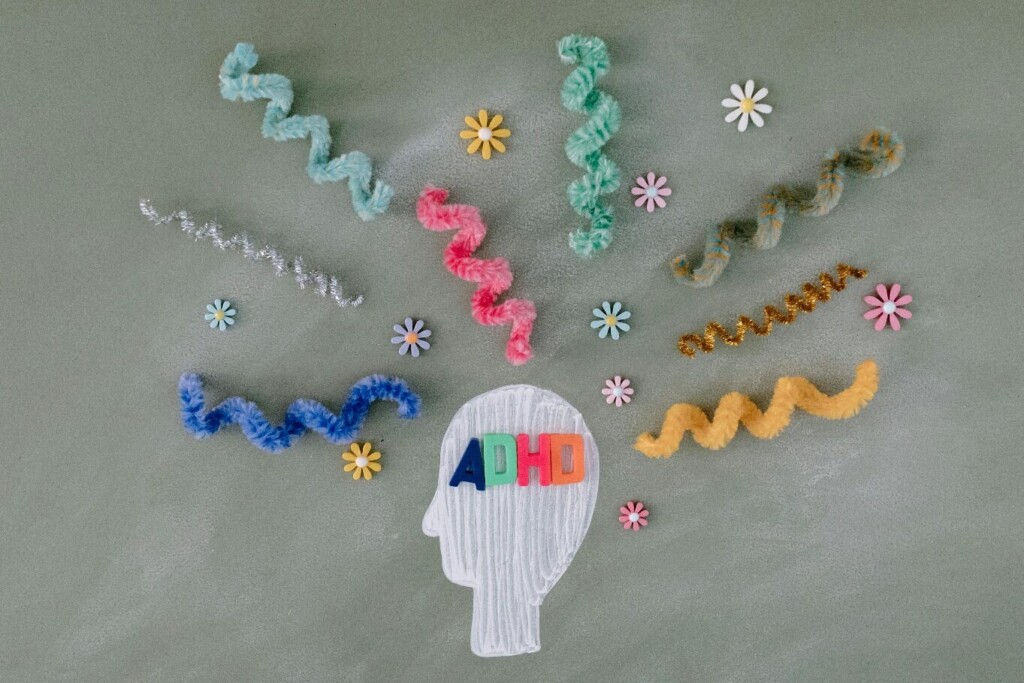
Neurodiversity refers to the natural differences in the way people’s brains work. Just like people have different skills and talents, they also think and process information in unique ways. Some may have ADHD, autism, dyslexia, or other conditions that affect the brain. So, instead of seeing these differences as challenges, we should see them as strengths.
Imagine a team made up of people who all think the same way. They might have similar ideas and approaches, which could limit creativity. Now, if the team includes people with different ways of thinking, it can spark fresh perspectives and lead to innovative solutions.
How Neurodiversity Boosts Team Innovation?
1. Diverse Perspectives Lead to Creative Ideas
One of the biggest advantages of neurodiversity is the variety of perspectives it brings. People with different brains approach problems differently. For example, someone with ADHD might think outside the box and come up with unconventional solutions. Whereas, someone with autism might be very detail-oriented and spot things that others miss. Together, these diverse approaches create a well-rounded team that can tackle problems from multiple angles.
2. Focus on Strengths
When teams embrace neurodiversity, they focus on each person’s strengths instead of weaknesses. For instance, a person with dyslexia might struggle with reading, but they could excel at creative thinking and problem-solving. By understanding and leveraging these strengths, teams can unlock their full potential. Research shows that people perform better when they are allowed to work in areas where they feel confident and valued.
3. Better Problem-Solving
Neurodiverse teams can solve problems faster and more efficiently. Moreover, studies found that teams with neurodiverse members tend to generate more ideas and solutions. This happens because people with different ways of thinking approach problems from unique perspectives, leading to more creative and effective solutions.
A great way to grasp this concept is through this example. In a team designing a new product, someone with autism might focus on the technical details, while someone with ADHD might bring innovative ideas that make the product stand out. Together, they can create something truly groundbreaking.
Real-World Examples of Neurodiversity in Action
Some companies are already embracing neurodiversity and seeing great results. For instance, tech giants like Microsoft and SAP have launched initiatives to hire people on the autism spectrum. These employees often bring incredible attention to detail and problem-solving skills that enhance innovation within the company.
Another example is the multinational company, EY (Ernst & Young). EY has been hiring neurodiverse individuals for roles in technology and analytics. The company has found that these employees bring unique insights that drive better decision-making and creative solutions for clients.
Conclusion
Neurodiversity is not just about inclusion; it’s about enhancing team performance and sparking innovation. By recognizing and valuing the different ways people think, companies can create stronger, more creative teams. Embracing neurodiversity unlocks new ideas, enhances problem-solving, and gives companies a competitive edge in today’s ever-changing world. So, let’s look beyond the differences and see the power they bring!