By: Rob Capone, Senior Employee Benefits Consultant
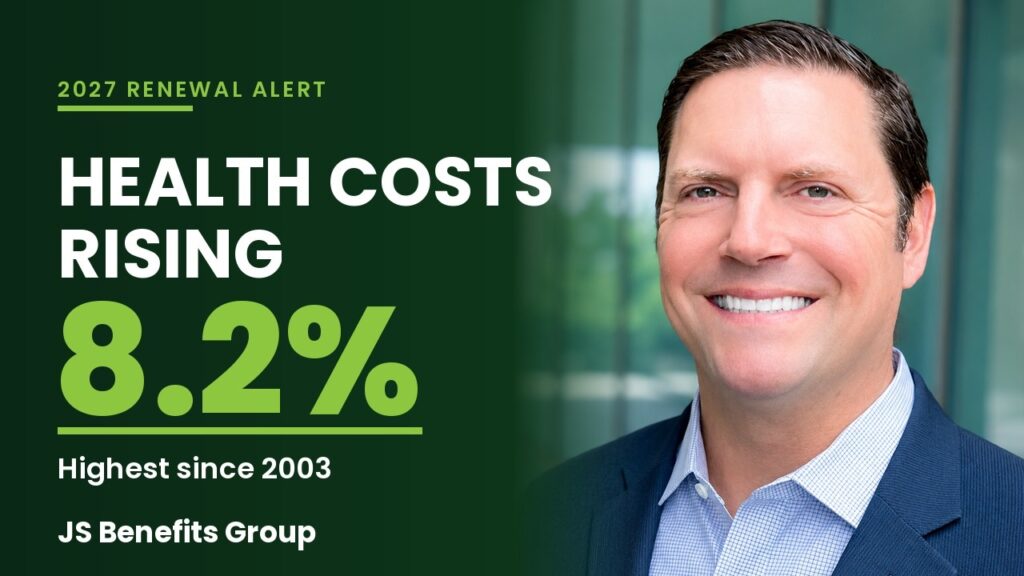
If you’re preparing for your 2027 health insurance renewal, there’s one number you need to know: 8.2%. That’s the average increase U.S. employers project in health benefit cost per employee for 2027, according to Marsh’s 2026 National Survey of Employer-Sponsored Health Plans. It’s the highest increase since 2003.
And that 8.2% already assumes employers make changes. Without any action, employers told Marsh their current plans would cost about 11% more. It’s the fifth straight year of elevated increases, up from 6.7% projected for 2026.
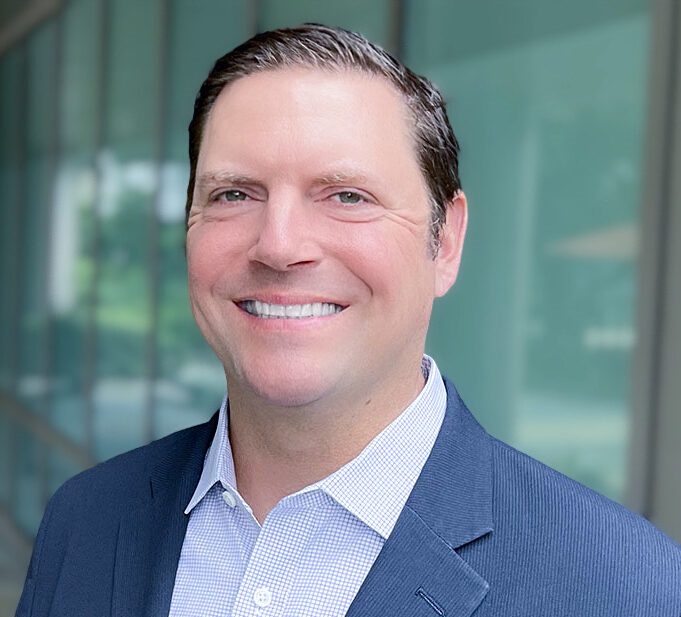
In the video below, Rob Capone, Senior Employee Benefits Consultant at JS Benefits Group, explains what’s driving costs higher and the three steps employers should take before the renewal proposal arrives.
VIDEO: https://www.youtube.com/watch?v=XsYS1NHP2EY
Key takeaways
- 2027 employer health benefit costs are projected to rise 8.2%, or 11% with no plan changes.
- GLP-1 weight-loss drugs alone add about one percentage point to that growth.
- Waiting for your renewal to arrive limits your options. Start now.
- Benchmark your plan, analyze your claims, and evaluate funding alternatives.
- Shifting all of the increase to employees can hurt recruitment and retention.
Why are health insurance costs rising in 2027?
Several pressures are stacking up at once, and most are outside any single employer’s control.
- Specialty medications. New drugs for cancer, rare diseases and chronic conditions often cost far more than the treatments they replace.
- GLP-1 medications. Marsh estimates rising GLP-1 use for weight management accounts for a full percentage point of 2027 cost growth.
- Higher utilization. Employees are using more care, and high-cost claims are becoming more common and less predictable.
- Provider costs. Health system consolidation and lower government reimbursements push higher charges onto employer plans.
- New treatments and therapies. Better diagnostics and treatments improve outcomes but raise the price of care.
Marsh also points to AI-assisted medical billing, which is producing more and higher-level claims, and larger-than-expected out-of-network payments under the No Surprises Act dispute process.
For smaller and mid-sized employers, the bigger problem is volatility. One or two large claims can swing a renewal sharply, which is why preparation matters more this year than most.
3 steps to prepare for your 2027 health insurance renewal
Waiting until your renewal arrives isn’t the best strategy. By then, your timeline is short and your options are narrow. Start with these three steps now.
Step 1: Benchmark your current plan
Don’t just look at the renewal percentage. Compare what you’re paying with similar employers and the broader market, including premium cost, network value and how much employees pay in deductibles and copays.
Benchmarking tells you whether your current plan is competitively priced. It also gives you leverage when negotiating with your carrier.
Step 2: Understand what’s driving your claims
Where is your healthcare spending actually going? Look at three areas:
- High-cost claims and how many members drive most of your spend
- Specialty medications and pharmacy costs, including GLP-1s
- Utilization patterns and how employees access care
This often reveals opportunities, such as steering routine care to telehealth and primary care or adding care coordination for chronic conditions. You can’t manage what you don’t measure.
Step 3: Evaluate funding alternatives
Don’t assume your only option is another fully insured plan. Depending on your company’s size, demographics and risk tolerance, it may make sense to explore:
| Funding model | How it works | Best fit |
|---|---|---|
| Fully insured | Fixed premium; the carrier takes the claims risk | Employers who want predictability and minimal administration |
| Level-funded | Fixed monthly cost with stop-loss protection; surplus may be refunded if claims run low | Small and mid-sized groups with a relatively healthy population |
| Self-funded | Employer pays claims directly, protected by stop-loss coverage | Larger groups that want full data access and control |
Level-funded and self-funded plans can offer better claims data and more ways to manage costs. But they carry different risks and need to be evaluated carefully with an advisor.
Why shifting costs to employees isn’t the answer
When costs rise, it’s tempting to simply raise deductibles or employee contributions. Many employers will: Marsh found 59% plan cost-cutting changes for 2027, and about two-thirds of large employers expect to raise employees’ share of premiums.
But pushing the whole increase onto employees creates new problems:
- Affordability. Higher deductibles can lead employees to delay care, which often raises claims later.
- Recruitment. Benefits are a deciding factor for many candidates.
- Retention. Employees notice when paycheck deductions jump.
- Employee satisfaction. Benefits feel like a pay cut when costs rise faster than wages.
The goal should be to control healthcare costs without simply shifting the problem to your employees.
Your 2027 health insurance renewal checklist
Start before the proposal arrives:
- Benchmark your plan against similar employers and the market
- Analyze your claims, including high-cost claims and utilization
- Review pharmacy costs, especially specialty drugs and GLP-1 coverage
- Evaluate funding options: fully insured, level-funded and self-funded
- Model the impact of any plan design changes on employees
An 8.2% increase doesn’t mean you have to accept it. There may be strategies to improve both your plan’s cost and its value.
Frequently asked questions
How much will health insurance costs increase in 2027?
U.S. employers project an average 8.2% increase in health benefit cost per employee for 2027, according to Marsh. Without plan changes, the increase would average about 11%. Aon projects a 9.5% increase before plan changes.
Why are 2027 health insurance premiums going up so much?
The main drivers are specialty medications, GLP-1 weight-loss drugs, higher utilization, provider consolidation and costly new therapies. It’s the largest projected increase since 2003.
When should employers start preparing for a 2027 renewal?
Now. Start 90 to 120 days before your renewal date so you have time to benchmark, review claims and market alternatives before you have to sign.
Is a level-funded health plan cheaper than a fully insured plan?
It can be. Level-funded plans may cost less for groups with healthy claims experience and can return a surplus if claims run low. They need to be evaluated against your group’s size, demographics and risk tolerance.
Do I have to accept my renewal increase?
No. Benchmarking, claims analysis and a review of funding options often uncover ways to reduce the increase or improve the plan’s value.
Get a second opinion before you sign your 2027 renewal
If you’re preparing for your 2027 renewal, let’s take a closer look before you sign. JS Benefits Group has helped employers across Pennsylvania, New Jersey, Delaware, Maryland and New York control health insurance costs for more than 30 years.
Schedule a free consultation: call 877-355-6070 or contact us online.
This article is for educational purposes only and is not legal, tax or insurance advice.
Sources
- Marsh: Employers expect health benefit costs to jump 8.2% in 2027 (September 2, 2026)
- The Hill: Employer health costs expected to see sharpest increase in 20 years (Aon 9.5% projection)
How Claims Experience Impacts Your Group Health Insurance Renewal
Why Smart Employers Are Benchmarking Healthcare Costs Before Their Next Renewal