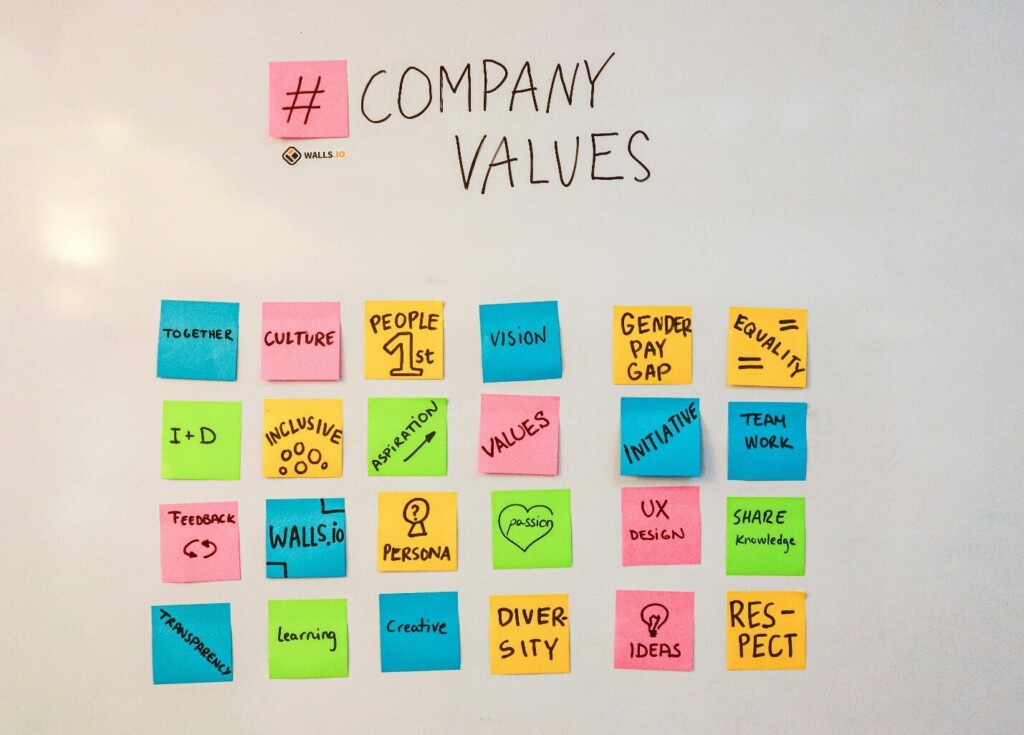

Aligning company values with employee expectations is more than a culture exercise. Employees want to see that a company’s values show up in real decisions, including how leaders communicate, how managers support their teams, and how benefits are structured.
When employees feel that the company’s values match their workplace experience, they are more likely to feel engaged, respected, and committed. When there is a gap between what a company says and what employees experience, trust can weaken over time.
Here are three practical ways employers can bring company values and employee expectations closer together.
1. Involve Employees in Value Development
Company values should not only come from leadership. Employees experience the workplace every day, so their feedback can help employers understand which values already feel real and which ones need more support.
Employers can gather feedback through short surveys, focus groups, manager check-ins, benefits feedback, or exit interviews. These conversations can reveal what employees care about most, such as communication, flexibility, wellness, growth opportunities, fairness, or stronger benefits education.
Once feedback is collected, leadership should look for patterns and share what was learned. This helps employees see that their input was taken seriously. It also gives the company a better foundation for decisions about culture, policies, benefits, and communication.
A thoughtful employee benefits plan design can help employers connect employee feedback with practical support that reflects the company’s values.
2. Integrate Values into Performance, Benefits, and HR Practices
Aligning values with employee expectations does not stop once the values are written down. Those values need to show up in performance expectations, benefits decisions, HR policies, and everyday management.
For example, if teamwork is a core value, managers should recognize collaboration, not only individual output. If employee well-being is a core value, the company should review whether its benefits package, wellness resources, paid time off, and communication actually support that message.
Small businesses may feel this pressure even more because they need to support employees while managing cost and administrative demands. A strong employee benefits package for small businesses can help employers offer meaningful support while keeping the plan practical.
Clear HR structure also matters. Strong HR consulting services can help employers review policies, improve communication, and create more consistent expectations for managers and employees.
3. Communicate Consistently and Authentically
Consistent communication helps employees understand how company values connect to real decisions. Employers should not only mention values during onboarding or annual meetings. They should show how those values shape policies, benefits, recognition, and workplace expectations throughout the year.
This can happen through team meetings, benefits education, employee newsletters, manager conversations, and internal HR resources. When a benefit is added, explain how it supports employee needs. When a policy changes, explain the reason clearly. When employees demonstrate company values, recognize it in a specific way.
Online tools can also make communication easier. Resources such as online HR resources and online employee benefits management can help employees and managers access important information more easily.
For employers managing benefits, HR tasks, and employee communication together, organized HR management and benefits administration can help create a more consistent employee experience.
Frequently Asked Questions
Why is it important to align company values with employee expectations?
Employees are more likely to trust a company when its values match the way people are treated at work. Clear communication, useful benefits, and consistent leadership help make those values believable.
How can employers learn what employees expect?
Employers can use surveys, manager check-ins, benefits feedback, focus groups, and exit interviews. The goal is to look for patterns that show where employees feel supported and where expectations are not being met.
What role do employee benefits play in company values?
Employee benefits show employees what the company is willing to support in a practical way. A benefits package can reinforce values like stability, wellness, family support, financial security, and long-term employee care.
How can managers support company values?
Managers support company values through daily communication, feedback, recognition, and policy follow-through. When managers give consistent guidance, employees are more likely to trust that the company’s values are real.
How often should companies review employee expectations?
Employers should review employee expectations at least once a year, especially before benefits planning, policy updates, or major workplace changes. Regular review helps leadership identify gaps before they become bigger retention or culture problems.
Conclusion
Aligning company values with employee expectations requires more than listing values on a website or in an employee handbook. Employers need to involve employees, connect values to benefits and HR practices, and communicate consistently throughout the year.
When company values are supported by clear benefits, consistent HR practices, and honest communication, employees are more likely to trust the organization. That trust can support stronger retention, better engagement, and a healthier workplace culture.
Employers that want to better connect benefits, HR support, and employee expectations can work with JS Benefits Group to build a more organized and employee-focused strategy.
How to Boost Employee Productivity and Engagement by Setting the Right Goals
HR Communication: Why It Matters for Employers and Employees